 listicle
Best Custom Wood Charcuterie Board Makers
Table of Contents
- Top Custom Wood Charcuterie Board Makers: Quick Comparison
- What Sets Handcrafted Boards Apart from Mass-Produced Options
- Wood Types and Durability: Choosing Quality for Your Custom Board
- Food-Safe Finishes for Wood Boards: Safety Meets Aesthetics
- Personalization and Laser Engraving Options
- Handmade Wooden Gifts for 5th Anniversary and Special Occasions
- Charcuterie Board Maintenance Tips for Long-Term Care
- How to Order Your Custom Board and What to Expect
Last Updated: August 18, 2026
Top Custom Wood Charcuterie Board Makers: Quick Comparison
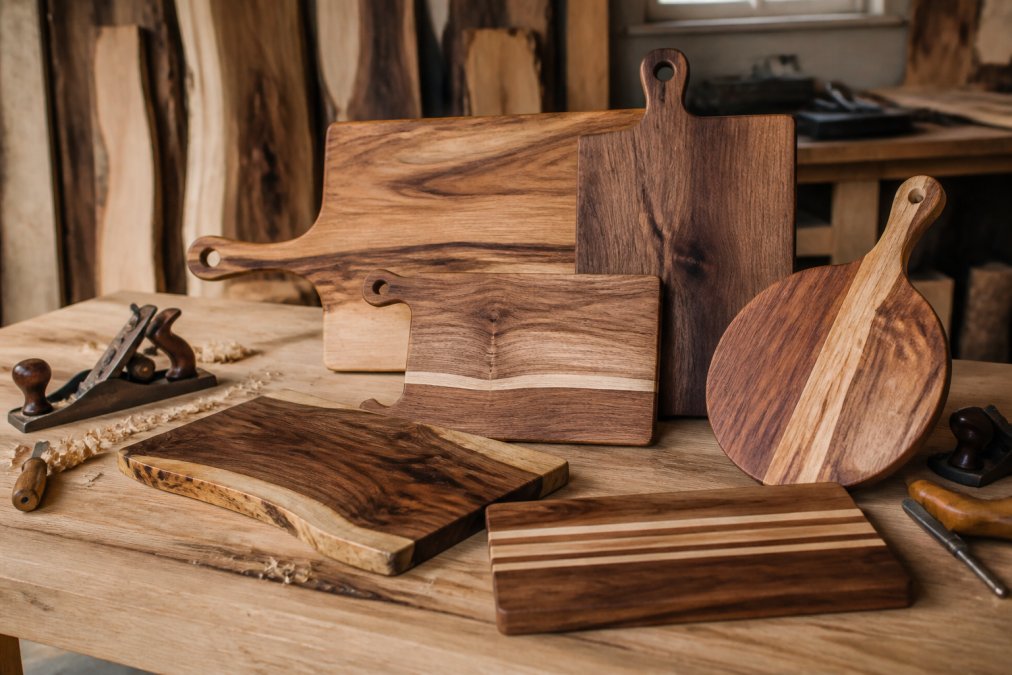
The difference between mass-produced and handcrafted wood charcuterie boards is immediate. One arrives generic and interchangeable; the other carries the fingerprints of someone who selected the wood, shaped it by hand, and finished it with care. This guide from Pinnacle Woodcraft, LLC breaks down what separates true artisan makers from the rest and how to identify makers worth your investment.
Quality varies wildly in the custom board market. The best makers use sustainable hardwoods and traditional joinery, treating each piece as if it's going into their own home. Here's what matters: wood selection, finish safety, personalization options, and whether the maker has an actual workshop.
| Maker | Specialization | Customization | Best For | Key Strength |
|---|---|---|---|---|
| Pinnacle Woodcraft, LLC | Custom boards, valet trays, small furniture | Full custom design | Specific visions, heirloom pieces | Solid joinery, hand-sanded finishes |
| Cibolo Creek Woodworks | Texas mesquite boards, epoxy inlays | Custom sizes, wood species | Regional aesthetic, bold designs | Dense Texas hardwoods |
| Liveoak Woodworx | Boards, signs, CNC/laser work | Extensive personalization | Laser engraving, custom graphics | Modern + traditional techniques |
| CHD Wood Design | Artistic boards with epoxy | Unique wood combinations | Gift-giving, artistic pieces | One-of-a-kind functional art |
| Hardenbrook Hardwoods | Cutting boards (chef, butcher, carving) | Free custom engraving | Personalized gifts | Diverse wood selection, no engraving fees |
| Rustic Buckeye Woodworks | Farmhouse-style boards | Custom engraving, family names | Farmhouse aesthetic, anniversaries | Personalization focus |
| PM Woodworks | Multiple styles (standard, round, paddle) | CNC/laser customization | Varied preferences, advanced customization | Wide range of board types |
| Dragonfly Wood Arts | Custom boards, cutting boards | Laser engraving, personalization | Unique gifts, cherry/walnut options | Handcrafted customization |
| Sylvan Craft | Sustainably sourced boards | Limited customization | Eco-conscious buyers | Sustainable forestry practices |
What Sets Handcrafted Boards Apart from Mass-Produced Options
Handcrafted boards are built to last decades; mass-produced boards last a season. Handcrafted boards use solid hardwood throughout, selected for grain quality and durability, with hand-sanded surfaces. Mass-produced boards use veneers over particleboard, edge-banding that peels, and finishes that flake or yellow.
Construction method matters equally. Handcrafted makers use mortise-and-tenon joinery or solid edge-grain construction, allowing boards to handle years of cutting, washing, and oiling without warping. Mass production relies on staples and glue that fails with moisture and temperature changes.
Pinnacle Woodcraft, LLC exemplifies this difference. Every board uses carefully selected lumber and solid joinery, hand-sanded to highlight natural grain. There's no particleboard or shortcuts. The result functions beautifully today and becomes more beautiful with age.
Handcrafted personalization also feels intentional. Engraving on a handcrafted board becomes part of the story, honoring the piece itself rather than appearing as an afterthought.
Wood Types and Durability: Choosing Quality for Your Custom Board
Not all wood suits food service. The best custom makers select hardwoods that balance durability, food safety, and aesthetics.
Walnut is the gold standard, dense, beautiful, and naturally moisture-resistant. The grain is rich and dark, so scratches blend rather than show. A walnut board can last 30 years with basic care.
Maple is lighter and harder, ideal for a bright aesthetic. Hard maple resists denting better than walnut but shows water marks more easily and requires frequent oiling.
Cherry is softer and more prone to denting but offers a warm reddish tone popular for decorative boards.
Olive wood, increasingly available from sustainable sources, is exceptionally hard and food-safe by nature.
Texas mesquite, featured by Cibolo Creek Woodworks, is dense with a bold, distinctive grain pattern that makes each board unique.
Durability depends as much on construction as wood type. Edge-grain boards (growth rings perpendicular to the cutting surface) are more durable than face-grain. End-grain boards are most durable but most expensive to produce.
Food-Safe Finishes for Wood Boards: Safety Meets Aesthetics
A beautiful board is worthless if the finish isn't food-safe. Handcrafted makers use finishes approved for food contact that improve with age.
Mineral oil or food-grade cutting board oil is safest. These penetrate the wood, enhance grain, and create water resistance without a plastic layer. Mineral oil requires reapplication every few months as part of regular maintenance.
Beeswax combined with mineral oil adds sheen and water resistance while feeling warm to the touch and developing natural patina.
Some artisans use food-grade polyurethane or lacquer, creating a harder surface that resists water and staining better than oil. These are food-safe when fully cured but can chip if dropped.
According to FDA guidance on wood cutting boards, any finish on food-contact surfaces must not leach harmful substances and must be durable enough to withstand repeated washing without harboring bacteria.
Pinnacle Woodcraft, LLC prioritizes food-safe finishes that let the wood breathe, allowing easy maintenance and beautiful aging.
Personalization and Laser Engraving Options
Personalization transforms a board from a functional tool into a meaningful gift. The best makers offer engraving that's precise, durable, and integrated into the design.
Laser engraving burns a design or text directly into the wood, creating a permanent mark. Quality engraving is deep enough to be durable but not so deep that it weakens the board.
Some makers like Liveoak Woodworx and PM Woodworks combine laser engraving with CNC routing for intricate designs, logos, or detailed illustrations.
Epoxy inlay, featured by Cibolo Creek Woodworks and CHD Wood Design, involves routing a groove and filling it with colored epoxy resin. This creates a bold, modern look and is durable and food-safe once cured.
For handmade wooden gifts for 5th anniversary celebrations, engraving with a date, initials, or meaningful phrase is standard.
Email your idea and a few details to MichaelH@pinnaclewoodcraft.net →
Handmade Wooden Gifts for 5th Anniversary and Special Occasions
Custom wood charcuterie boards have become the go-to gift for anniversaries, housewarmings, and weddings. Wood is the traditional 5th anniversary material, making a handcrafted board the perfect choice.
For anniversaries, personalization is key. A board engraved with names and wedding date becomes a keepsake used for decades. For housewarmings, boards that are functional and beautiful enough to display show thoughtfulness. Rustic Buckeye Woodworks specializes in farmhouse aesthetics that fit many home styles.
Wedding gifts benefit from high-quality boards engraved with initials or wedding date. Custom orders typically require 4-8 weeks, so plan ahead for specific dates.
Artisan makers like Pinnacle Woodcraft, LLC can work with you on customization, turning your vision into reality rather than forcing you into a template.
Charcuterie Board Maintenance Tips for Long-Term Care
Proper maintenance ensures a handcrafted board remains beautiful and functional for decades, developing character rather than deterioration.
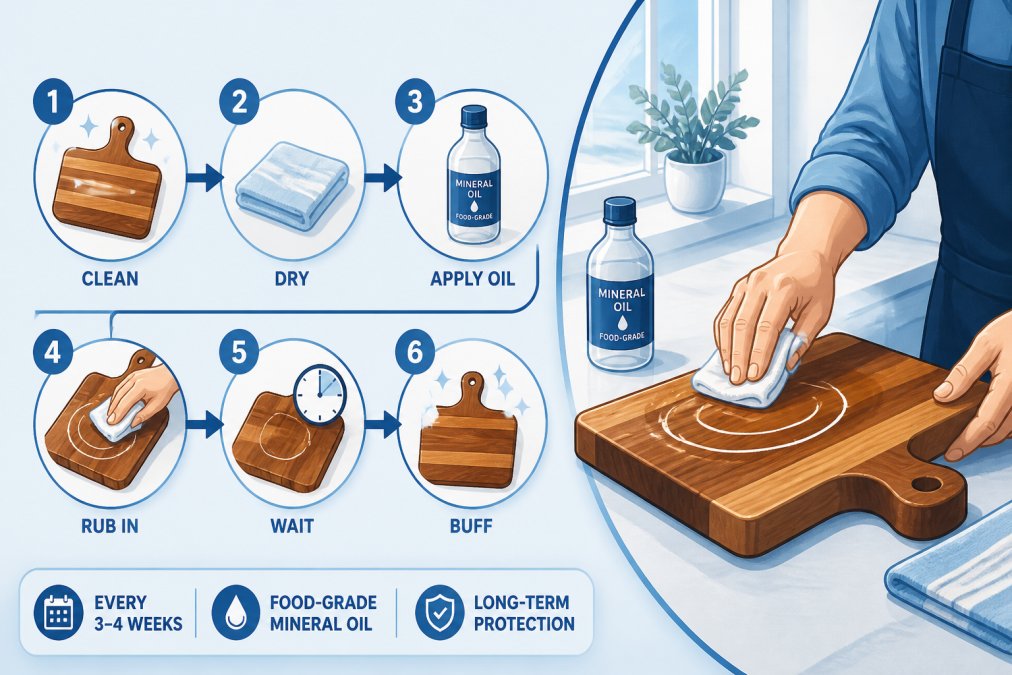
Oiling is the most important task. Wood is porous and absorbs moisture, causing warping, cracking, and mold. For frequently used boards, oil every 2-4 weeks. For occasional use, monthly oiling suffices.
Use food-grade mineral oil or cutting board oil. Apply a thin coat with a cloth, rubbing with the grain. Let it soak 15 minutes, then wipe away excess. The board should feel slightly moist but not slick.
Hand wash with warm soapy water and a soft brush. Dry immediately rather than air drying. Dishwashers cause extreme heat and prolonged water immersion, leading to warping and finish failure.
For stubborn stains, sprinkle coarse salt on the board, rub with a cut lemon, then rinse and dry immediately.
Never soak, leave standing wet, use bleach or harsh cleaners, or expose to direct sunlight for extended periods.
If minor cracks develop or finish wears thin, light sanding and re-oiling restore the board. A quality handcrafted board can be maintained indefinitely.
How to Order Your Custom Board and What to Expect
Ordering a custom board differs from buying off-the-shelf. Most artisan makers require a deposit upfront to secure your spot and cover materials. The remaining balance is due upon completion.
Timeline varies by maker and complexity. A straightforward custom board typically takes 4-8 weeks. Intricate designs with epoxy inlays may take 8-12 weeks. During peak seasons (November through January), timelines extend further. Plan ahead for specific occasions.
The ordering process begins with an email or contact form. Describe what you want: size, wood type, personalization, and intended use. Include photos of your space or style preferences. A good maker will ask clarifying questions and suggest modifications based on experience.
Pinnacle Woodcraft, LLC accepts custom ideas via email at MichaelH@pinnaclewoodcraft.net. You don't need detailed plans, the maker works with you to refine your vision.
Once you've agreed on design and price, the maker begins work. Most won't provide progress photos unless requested but will reach out if issues arise.
Boards are wrapped carefully and insured during transit. A maker should provide tracking and estimated delivery.
Upon arrival, inspect carefully for shipping damage, smooth finish, and accurate personalization. A reputable maker stands behind their work and addresses issues promptly.
Custom wood charcuterie boards represent a shift away from disposable goods toward pieces built to be used and enjoyed. The best makers combine traditional craftsmanship with attention to detail, using hardwoods that age beautifully and genuinely food-safe finishes. Pinnacle Woodcraft, LLC embodies this approach, crafting each board with carefully selected lumber, solid joinery, and hand-sanded finishes that highlight natural grain. If you're ready to commission a board reflecting your vision and serving your home for decades, reach out to MichaelH@pinnaclewoodcraft.net with your idea and style details. The result will be a one-of-a-kind piece carrying personality and craftsmanship into every gathering.
Frequently Asked Questions
What makes a custom wood charcuterie board maker stand out from mass-produced options?
Custom wood charcuterie board makers focus on traditional craftsmanship, using carefully selected hardwoods, solid joinery, and hand-sanded finishes. Handcrafted boards feature unique wood grain patterns that mass-produced options cannot replicate. Artisan makers also offer personalization through laser engraving, custom sizes, and bespoke designs tailored to your vision. Each piece becomes a one-of-a-kind item rather than a generic product, with attention to detail that reflects the maker's expertise and care.
What wood types are best for a custom charcuterie board?
Hardwoods like walnut, maple, cherry, and oak are ideal for charcuterie boards due to their durability and attractive grain patterns. Walnut offers rich, dark tones and excellent stability. Maple provides a lighter appearance and tight grain structure. Texas mesquite delivers a distinctive aesthetic with natural character. The best choice depends on your style preference and intended use. Quality hardwoods resist warping, withstand repeated cutting and serving, and develop a beautiful patina over time with proper care.
Are custom engraved charcuterie boards food safe?
Yes, when created by reputable artisan makers. Custom wood charcuterie boards are food safe if finished with food-grade finishes that meet FDA standards. Laser engraving itself does not compromise food safety; the engraved areas remain safe for food contact. Quality makers apply food-safe finishes like mineral oil, beeswax, or food-grade polyurethane that protect the wood while remaining non-toxic. Always verify that your maker uses food-safe finishes and avoids toxic stains or sealers. Proper maintenance, including regular oiling, keeps the board safe and extends its lifespan.
How long does it take to receive a custom wooden charcuterie board?
Custom board timelines vary by maker and complexity. Most artisan makers require 4-8 weeks for completion, though rush options may be available for additional fees. Lead times depend on design complexity, current order volume, and wood availability. Many makers require a 50% non-refundable deposit to secure your spot in the production schedule. If you need a board for a specific event, discuss your timeline early with the maker. Planning ahead ensures your custom piece arrives when you need it without compromising quality.
This article was written using GrandRanker