 listicle
Decker Woodworking Alternatives for Custom Commissions
Table of Contents
- Why Explore Custom Furniture Commission Alternatives
- Top Alternatives for Custom Furniture Commissions
- CustomMade: Vetted Artisans with Concierge Support
- Etsy: Direct Collaboration with Independent Woodworkers
- Crafters Market: Verified American Makers Specializing in Hardwood
- Houzz: Local Professionals with Design Inspiration Tools
- Makers Woodshop: Highly Customized Wood and Epoxy Creations
- Built Custom Woodwork: Bespoke Furniture and Integrated Solutions
- The Fine Grainery: Small to Large Custom Orders with Clear Terms
- How to Commission Custom Furniture: Step-by-Step Process
- Questions to Ask a Custom Woodworker Before Hiring
- Custom Furniture Pricing Guide: What to Expect
- Red Flags and What to Avoid When Commissioning
- Conclusion
Last Updated: August 14, 2026
Why Explore Custom Furniture Commission Alternatives
When commissioning custom furniture, choosing the right maker is crucial. You're investing in something that will live in your home for decades. The custom woodworking landscape is fragmented, some makers operate from home studios, others run full-scale operations, and countless skilled artisans remain unknown outside their local markets.
At Pinnacle Woodcraft, LLC, we understand that different makers bring different strengths. Some excel at bespoke cabinetry, others specialize in live edge or epoxy work. Your project deserves a maker whose expertise aligns with your actual needs. This guide walks you through top platforms and individual makers offering custom furniture commissions, how to vet them systematically, and the specific questions that separate professional conversations from amateur ones.
Top Alternatives for Custom Furniture Commissions
CustomMade: Vetted Artisans with Concierge Support
CustomMade connects customers directly with experienced makers through a curated marketplace. Rather than browsing catalogs, you describe your project and CustomMade routes it to artisans matching your specifications. The platform verifies credentials, reviews past work, and maintains standards around communication and delivery, reducing your risk considerably.
You can request quotes from multiple makers and compare approaches before committing. The concierge service is particularly useful if you're uncertain about specifications or need feasibility guidance. The trade-off is that CustomMade takes a percentage of project cost, reflected in final pricing, and timelines depend on individual maker availability.

Etsy: Direct Collaboration with Independent Woodworkers
Etsy hosts thousands of woodworkers offering custom services from simple personalization to entirely bespoke furniture design. You can message makers before placing orders and discuss specifications upfront. The diversity is staggering, live edge slabs, epoxy inlays, reclaimed wood, minimalist Scandinavian designs, and rustic farmhouse pieces are all available.
The platform holds payment until you confirm receipt, offering basic buyer protection. Many woodworkers provide detailed process photos or video updates as your piece progresses. The significant drawback is inconsistency, quality, reliability, and communication vary dramatically between sellers. You're responsible for thorough vetting, checking reviews carefully, and understanding the maker's experience level before committing.
Crafters Market: Verified American Makers Specializing in Hardwood
Crafters Market curates a smaller, highly vetted network of American woodworkers through shop visits, portfolio reviews, and machine setup inspections. Every artisan listed has proven their skills. The platform specializes in solid hardwood furniture and heirloom-quality pieces built to last generations.
Custom commission requests receive quotes within 48 hours. You're connecting directly with makers who've proven their skills, not buying from middlemen. The trade-off is a narrower selection compared to Etsy or CustomMade, and the focus on quality materials and traditional methods typically means higher pricing.

Houzz: Local Professionals with Design Inspiration Tools
Houzz lets you browse thousands of design photos, save inspiration, and connect with local custom woodworkers and furniture builders who've executed similar work. You can see a woodworker's completed projects alongside your design inspiration, making it easier to assess whether their aesthetic matches yours.
Houzz's review system is transparent, and you can often arrange in-person meetings to review materials and discuss craftsmanship standards. The limitation is geographic, rural areas or regions with fewer woodworkers may have limited options.
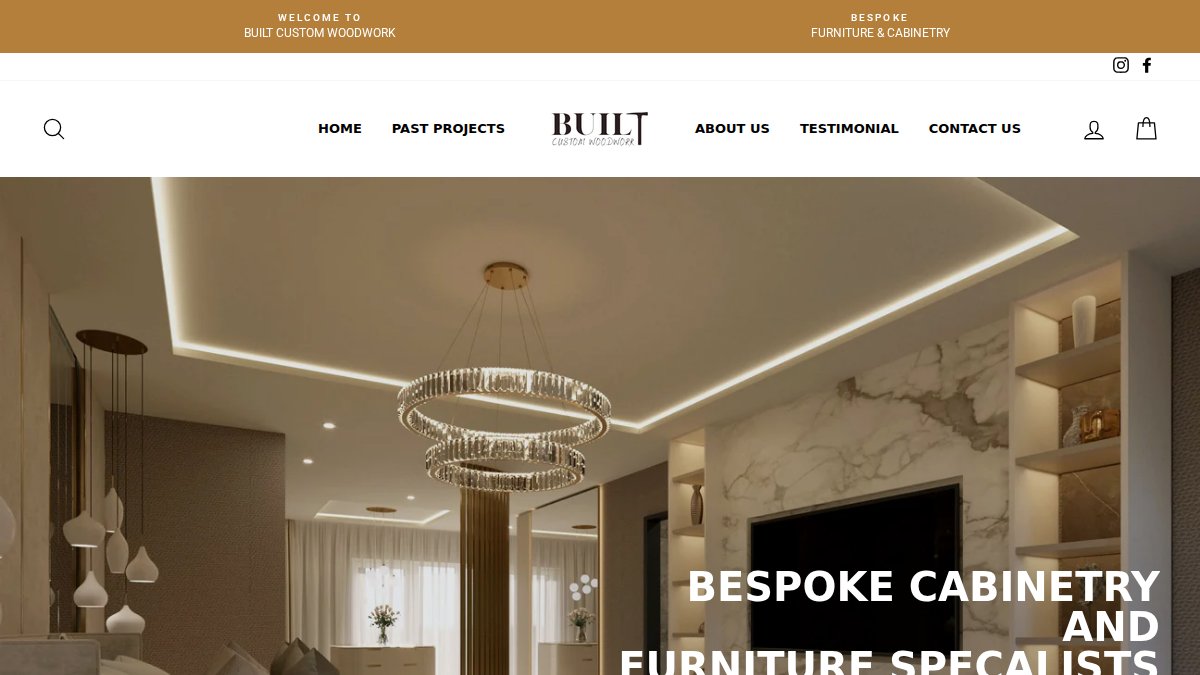
Makers Woodshop: Highly Customized Wood and Epoxy Creations
Makers Woodshop specializes in customized wood projects incorporating epoxy, CNC engraving, and live edge shaping. If your vision involves mixed media combining solid wood with resin pours, inlaid designs, or personalized engravings, this maker's expertise is particularly relevant.
The platform showcases projects ranging from functional surfaces like vanity tops to custom furniture and personalized gifts. Makers Woodshop actively encourages clients to bring ambitious ideas that push boundaries. The challenge is that highly customized work requires clear communication about your vision, and custom design work typically commands higher pricing.
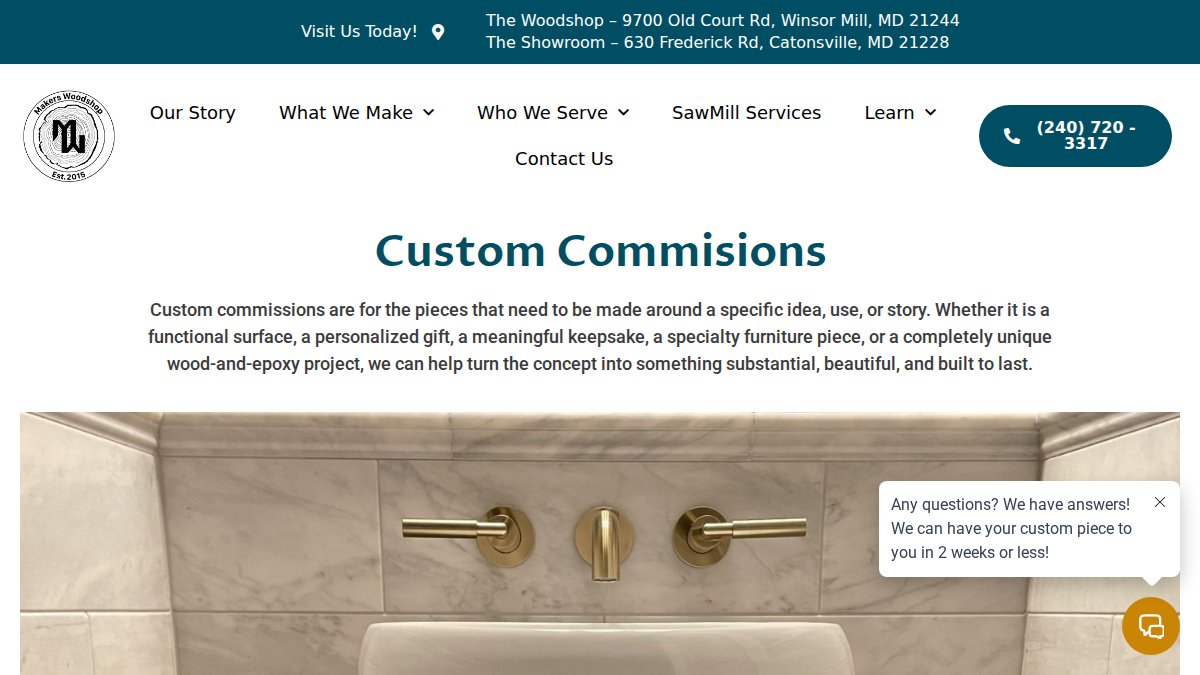
Built Custom Woodwork: Bespoke Furniture and Integrated Solutions
Built Custom Woodwork focuses on bespoke furniture and integrated woodworking solutions, custom kitchen cabinetry, built-in shelving systems, and tailored furniture pieces designed specifically for your space. The process begins with detailed design consultation including sketches and material samples.
The team manages installations, finish work, and cleanup, providing a complete solution rather than just a piece. This end-to-end service reduces friction managing large custom projects. The limitation is that this level of service typically comes at a premium price point.
The Fine Grainery: Small to Large Custom Orders with Clear Terms
The Fine Grainery accepts commissions across many scales, from small personalized gifts to substantial furniture pieces. The maker's flexibility is a genuine strength, you're not forced into minimum project size or budget.
The Fine Grainery requires a 50% deposit for items exceeding $100, fully refundable until materials are purchased. This protects you if project scope changes while protecting the maker from speculative requests. Design modifications after invoicing can result in price adjustments, so precision about specifications upfront is important.
How to Commission Custom Furniture: Step-by-Step Process
Define Your Vision and Gather Inspiration
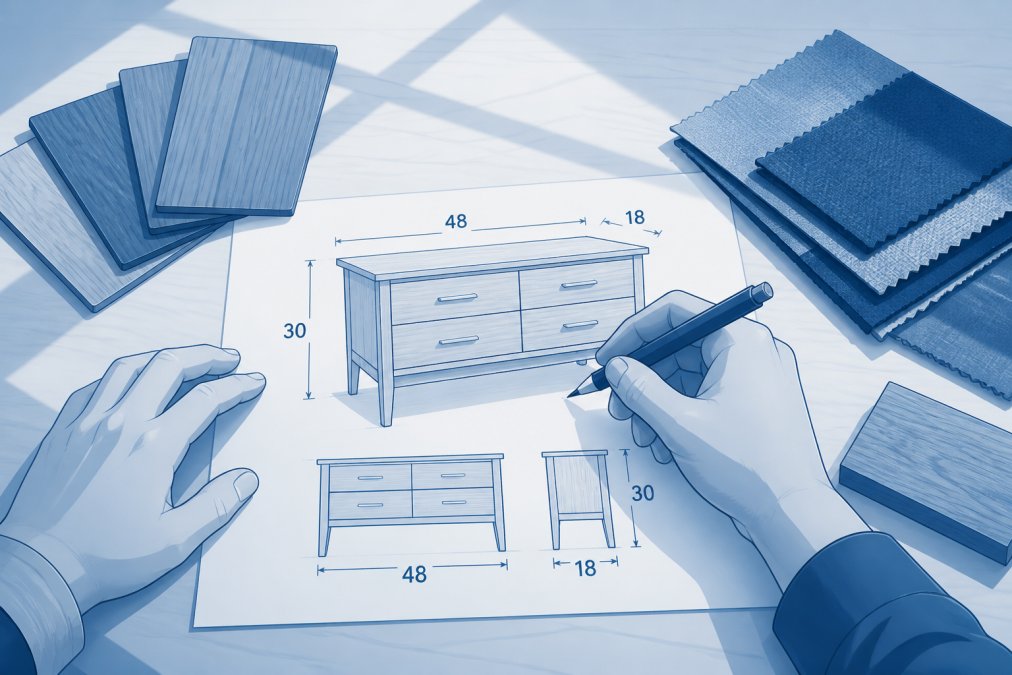
Before contacting makers, clarify what you want. Create a folder of images showing styles you're drawn to, wood species, finishes, hardware, proportions, and overall aesthetic. Define functional requirements: what will this piece do? Understand how it differs from similar pieces.
Write down your constraints: budget range, desired timeline, specific dimensions, and non-negotiables. If commissioning for a specific room, take measurements and photos of that space.
Research and Vet Potential Artisans
Identify makers whose work aligns with your aesthetic and functional requirements. Check portfolios carefully, look at the diversity of their work, not just finished pieces. Read reviews critically, looking for patterns rather than individual comments. Consistent praise for communication and timeline adherence is positive; complaints about delays or quality issues are red flags.
Request references or examples of work similar to your project. Ask how long they've been doing custom commissions and how they handle design consultation, revisions, and quality assurance. For local makers, visit the workshop if possible to observe organization and professionalism.
Submit Your Commission Request
Submit a commission request with as much detail as possible: inspiration images, functional requirements, budget range, and desired timeline. Be specific about dimensions. Ask about their process, design consultation, revision rounds, timeline, payment structure, and what happens if you're unhappy with initial design direction.
Avoid vague requests. "I want a live edge walnut dining table that seats six, approximately 36 inches wide by 60 inches long, with a natural finish showing wood grain, completed by December 1st" is actionable.
Email your idea and a few details to MichaelH@pinnaclewoodcraft.net →
Review the Quote and Timeline
Don't accept immediately. Review the quote against your budget and timeline against your deadline. Ask for clarification on anything unclear. What's included in the price? What's not?
Discuss timeline realistically. Ask about payment structure, ideally deposit to secure the project, additional payments at milestones, and final payment upon completion. Avoid paying 100% upfront unless the maker is well-established and thoroughly vetted.
Finalize the Commission Agreement
Before work begins, ensure you have a written agreement covering project specifications, timeline, payment terms, revision policy, and cancellation terms. The agreement should specify exact materials, dimensions, design details, and customizations. Include a revision policy clarifying what happens if you request changes after the project begins.
Clarify the payment schedule with deposit amount, due dates, and final payment terms. Include a cancellation policy and ensure you have the maker's contact information and expected response time.
Questions to Ask a Custom Woodworker Before Hiring
Craftsmanship and Materials
Ask how they select wood and their sourcing philosophy. Ask about joinery methods, traditional mortise and tenon joinery typically lasts longer than fastener-based methods. Ask about finishing: what finish will they apply, how many coats, will they sand between coats?
Ask about wood movement accounting. Poor accounting for wood's natural expansion and contraction can lead to cracks, splits, or joint failure. Ask to see examples of their work in person if possible, photos can be deceiving.

Timeline, Communication, and Delivery
Ask for a realistic timeline and what factors could extend it. Ask about communication frequency and how often they'll provide updates. Ask about the delivery process, will they deliver or will you arrange pickup? What happens if the piece is damaged during delivery?
Ask what happens if you're unhappy with the initial result. Can they make adjustments? Are there additional costs? How many revision rounds are realistic? Ask about their communication style and availability.
Pricing, Revisions, and Guarantees
Ask for a detailed quote breaking down costs. Ask about their revision policy explicitly, what happens if the initial design doesn't match your vision? Are revisions included in the quoted price?
Ask about guarantees or warranties. Most makers can't guarantee wood won't crack or finishes won't age, but they can explain what's normal and what they'll address if something goes wrong. Ask about refund or cancellation policies. Ask about their insurance and liability.
Custom Furniture Pricing Guide: What to Expect
Factors That Affect Custom Woodworking Costs
Wood species is primary, walnut, cherry, and oak cost more than pine or poplar. Exotic woods or reclaimed materials command premium prices. Size matters; a small cutting board requires less material and labor than a large dining table. Design complexity affects cost significantly, simple rectangular pieces cost less than those with curves or intricate joinery.
Custom design work adds cost. The number of design revision rounds also affects pricing. Finishing processes impact pricing, hand-sanded finishes take longer than machine-sanded ones. Multiple finish coats cost more than single coats. Hardware selections increase cost. The maker's experience level and reputation affect pricing. Timeline urgency affects cost, rush fees apply if you need a piece quickly.
Deposit Structures and Payment Terms
Most custom makers require a 25% to 50% deposit to secure your project. A 50% deposit is common, protecting the maker from cancellations while leaving you with skin in the game. Some makers use milestone-based payment structures: 30% upfront, 40% when design is approved and materials are purchased, and 30% upon completion.
Clarify what happens to your deposit if you cancel. Many makers make deposits fully refundable until materials are purchased. Ask about payment methods and ensure you understand any associated fees.
Red Flags and What to Avoid When Commissioning
If a maker is evasive about their process or refuses to answer detailed questions, look elsewhere. If they pressure you to decide quickly or seem irritated by questions, that's concerning. If they refuse to provide references or examples of similar work, be cautious.
If quoted price seems unreasonably low compared to similar work, investigate. If they demand 100% payment upfront with no milestone structure, that's risky. If communication is inconsistent or slow during consultation, expect similar delays during the build. If they can't articulate their revision policy or seem annoyed by revisions, that's problematic. If they have numerous negative reviews mentioning missed deadlines, quality issues, or poor communication, those patterns matter.
Commissioning custom furniture is a meaningful investment in something that will live in your home for years. The process requires clarity about your vision, thorough vetting of potential makers, and clear communication throughout the build. Pinnacle Woodcraft, LLC specializes in turning specific ideas into handcrafted pieces built with carefully selected lumber, solid joinery, and hand-sanded finishes that highlight the natural beauty of the wood. Whether you're exploring platforms like CustomMade or Etsy, connecting with local makers through Houzz, or commissioning directly from specialized shops, the principles remain the same: define your requirements precisely, vet thoroughly, ask detailed questions, and establish clear agreements before work begins. Email your idea and a few details to MichaelH@pinnaclewoodcraft.net to explore how custom woodworking can bring your vision to life.
Frequently Asked Questions
What should I look for when vetting a custom woodworker?
Examine the maker's portfolio for consistent craftsmanship, quality joinery, and finished surfaces. Ask about their process, materials, and experience with projects similar to yours. Request references from past clients and verify they use solid hardwood rather than particleboard. Check how they handle communication, responsiveness and clarity during initial contact predict the entire commission experience. Look for makers who ask detailed questions about your vision before quoting.
How long does a custom furniture commission typically take?
Timelines vary based on project complexity, the maker's current workload, and material sourcing. Small items like cutting boards or serving trays may take 4-8 weeks, while larger furniture pieces can take 3-6 months or longer. Always ask about lead time upfront, especially if you need the piece by a specific date. Request a written timeline in your commission agreement to avoid misunderstandings about delivery expectations.
What is the standard deposit structure for custom woodworking?
Most custom woodworkers request a 50% deposit to begin work, with the balance due upon completion or delivery. Some makers may ask for a smaller deposit (25-33%) for initial design work. The deposit is typically non-refundable once materials are purchased, though many offer refunds if work hasn't started. Clarify the refund policy and payment schedule in writing before committing to the project.
How do I know a custom woodworker will deliver quality craftsmanship?
Request to see finished pieces in person or high-quality photos showing wood grain, joinery details, and finishing quality. Ask about the specific joinery techniques they use, solid woodworking relies on mortise-and-tenon joints, dovetails, or other traditional methods rather than screws and glue alone. Inquire whether they offer any warranty or guarantee on their work. A maker confident in their craftsmanship will stand behind their pieces and explain their process clearly.
What makes bespoke custom furniture different from semi-custom options?
Bespoke furniture is entirely custom-designed and built from scratch to your exact specifications, materials, and dimensions. Semi-custom options offer modifications to existing designs, different wood types, sizes, or finishes, but follow a set template. Bespoke commissions allow complete creative freedom and typically take longer and cost more, while semi-custom is faster and often more affordable. Choose bespoke when you have a specific vision or unusual requirements that standard pieces don't meet.
This article was written using GrandRanker