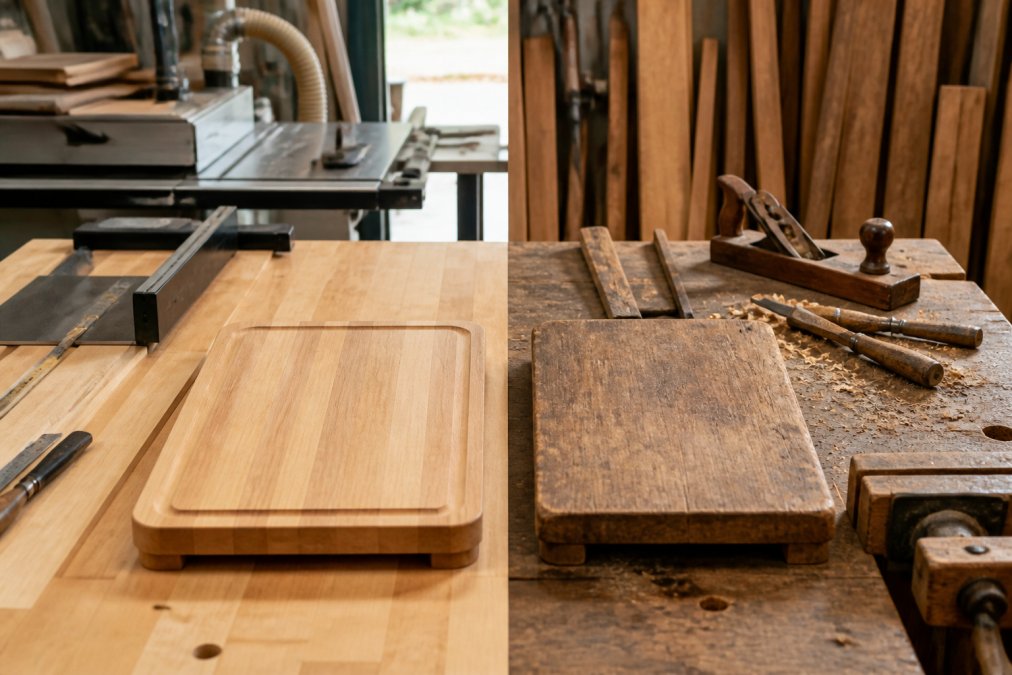
 comparison
Modern Timber Craft vs Local Woodworkers: 2026 Comparison
Table of Contents
- Modern Timber Craft vs Local Woodworkers: Key Differences
- Handmade vs Machine-Made Furniture: What Sets Them Apart
- Craftsmanship, Joinery, and Structural Integrity
- How to Commission Custom Woodworking: The Process Explained
- Custom Wooden Valet Tray Benefits and Design Options
- Durability, Maintenance, and Longevity Comparison
- Which Option Is Right for You?
- Conclusion
Last Updated: August 19, 2026
Modern Timber Craft vs Local Woodworkers: Key Differences
When shopping for custom wooden pieces, you're choosing between modern timber craft operations and local woodworkers. Modern timber craft blends traditional joinery with scaled production methods, while local woodworkers emphasize artisanal craftsmanship and one-of-a-kind custom work. This choice directly affects durability, cost, timeline, and whether your piece feels genuinely personal or mass-produced.
Handmade vs Machine-Made Furniture: What Sets Them Apart
Handmade furniture relies on a craftsperson's skill and hands-on execution at every stage. Machine-made furniture uses automated processes and CNC cutting to produce consistent results at scale. A local woodworker cuts joints by hand and adjusts as needed; machine-made furniture cuts joints to specification once, then replicates that cut thousands of times.
Handmade doesn't automatically mean better, it means different. A well-executed machine-made piece with solid joinery will outlast a poorly handcrafted one. Local woodworkers typically inspect every joint, test every drawer, and sand every surface by hand, adjusting for wood movement and material quirks. Modern timber craft operations may use machines for initial cuts but still employ hand-finishing and quality checks on each piece.
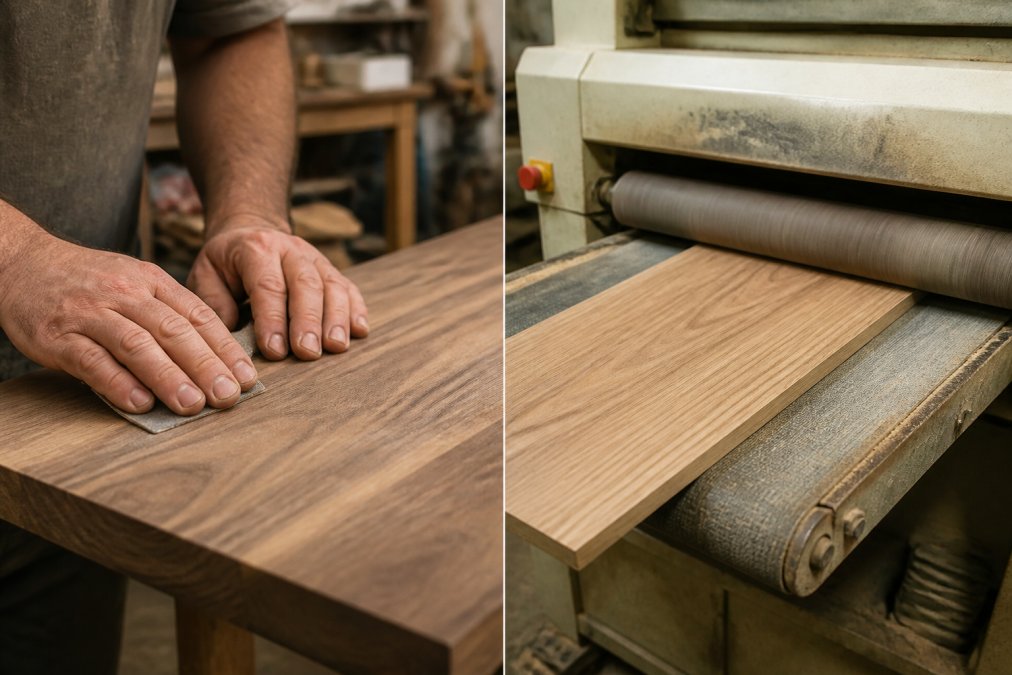
Handmade pieces often show visible tool marks and slight variations; machine-made furniture presents uniform surfaces and perfectly parallel lines. Handmade appeals to those who value the story of creation; machine-made appeals to those who value visual uniformity.
Craftsmanship, Joinery, and Structural Integrity
Structural integrity separates a piece that lasts decades from one that fails in years. The foundation is joinery, how wood pieces connect.
Traditional hand-crafted joinery uses mortise-and-tenon joints, dovetails, and frame-and-panel construction. These techniques distribute stress across large glued surfaces and account for wood movement, creating connections that strengthen over time. Machine-made furniture often relies on dowels, pocket screws, or stapled joints that prioritize speed over stress distribution and don't handle seasonal wood movement well.
Modern timber craft operations typically blend both approaches: CNC machines for precision, hand-sanding and traditional joinery for durability. Structural integrity depends primarily on joinery method and wood selection.
How to Commission Custom Woodworking: The Process Explained
Commissioning a custom piece starts with an initial conversation where you describe your vision, dimensions, and aesthetic preferences. A good woodworker asks specific questions about use, daily handling, and existing wood tones to match.
Next comes material selection. You'll choose wood species based on color, grain pattern, durability, and cost. A local woodworker guides this choice based on your use case, white oak for durability, walnut for visual richness, poplar for budget-conscious projects.
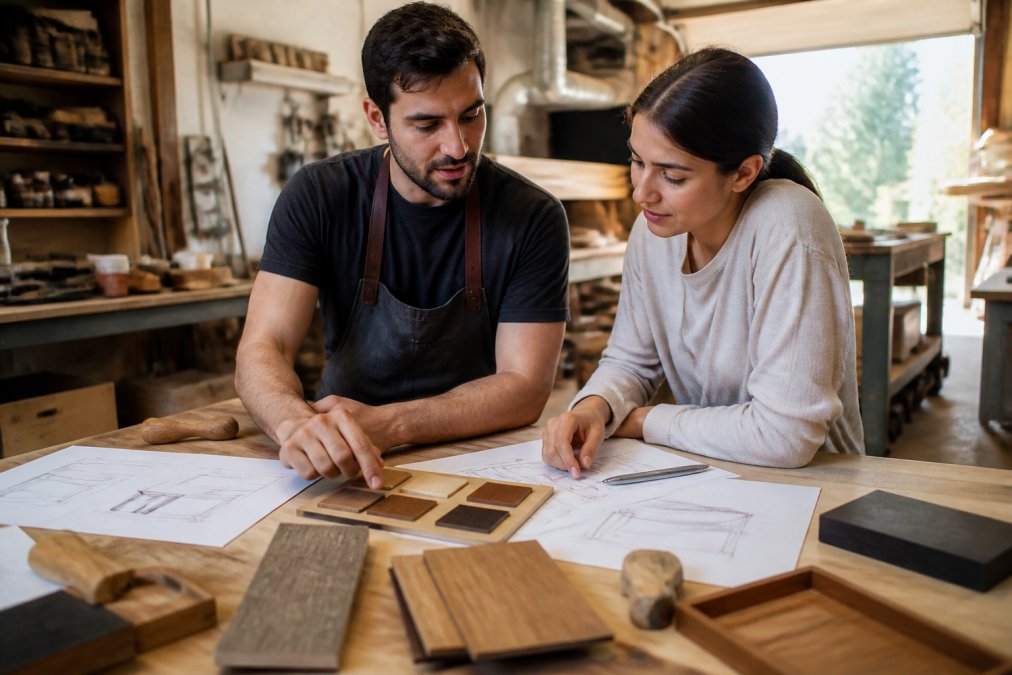
The woodworker creates a design, often starting with sketches or digital renderings. Once you approve the design, the build begins. Lead times vary: a small item like a valet tray might take 3-6 weeks; a larger furniture piece might take 8-16 weeks. Modern timber craft operations often quote faster timelines because they work from established designs.
Communication matters. The best woodworkers provide progress updates and remain available for questions. Final delivery involves inspection together, with a reputable maker addressing any concerns before the piece leaves the shop.
Custom Wooden Valet Tray Benefits and Design Options
A custom wooden valet tray represents one of the most practical applications for local woodworking. Unlike mass-produced alternatives, a handcrafted valet tray becomes functional decor that organizes daily essentials while adding character to an entryway, dresser, or nightstand.
The primary benefit is personalization. You choose the wood species, dimensions, compartment layout, and finish. Design options include open trays with low walls, compartmentalized designs with dividers, handles, and decorative elements like edge detailing or inlays.
The durability advantage is substantial. Solid wood develops a patina, resists breakage, and improves with age. A plastic organizer becomes brittle and cracks; a cheap wooden tray with particleboard veneer delaminates. A well-made wooden tray lasts decades.
Pinnacle Woodcraft, LLC specializes in custom valet trays built from carefully selected lumber with solid joinery and hand-sanded finishes. Each piece is designed for your specific space and use case. A custom wooden valet tray costs more than a plastic organizer but less than custom furniture, and you're still using the same tray five years later while plastic alternatives have failed.
Durability, Maintenance, and Longevity Comparison
A mass-produced wooden piece with particleboard construction and stapled joints typically lasts 3-7 years before visible degradation. A machine-made piece with solid wood and dowel joinery lasts 10-20 years. A handcrafted piece from a skilled local woodworker using traditional joinery lasts 30+ years and often improves with age.
Email your idea and a few details to MichaelH@pinnaclewoodcraft.net →
Maintenance differs significantly. Mass-produced pieces require replacement when they fail. Machine-made pieces might need touch-ups or joint tightening. Handcrafted pieces need only occasional cleaning and the occasional refinish.
Wood movement is the key factor most people overlook. Wood expands and contracts seasonally based on humidity. Traditional joinery accommodates this movement through design. Stapled or dowel-only joints fight this movement, creating stress that eventually causes failure. The longevity of wooden furniture depends primarily on how well the construction method accounts for wood's natural movement.
Modern timber craft operations that use traditional joinery techniques achieve durability comparable to fully handcrafted pieces.
Which Option Is Right for You?
Choose a local woodworker if you prioritize complete customization, want to be involved in the design process, value artisanal detail, and can wait 8-16 weeks. Local woodworkers excel at translating your specific vision into a one-of-a-kind piece.
Choose modern timber craft if you want quality construction with faster turnaround, prefer working from established designs, and appreciate consistency. Modern timber craft operations often deliver in 4-8 weeks with a simplified commissioning process.
Consider your use case. A valet tray benefits from customization; a larger furniture piece might benefit from faster timelines. Budget matters too, handcrafted pieces cost more because every hour of labor is reflected in the price. Modern timber craft operations often cost less due to more efficient production methods.
Sustainability considerations also factor in. Local woodworkers typically source reclaimed materials when possible. If sustainability matters to you, ask your maker about material sourcing practices.
Identify what matters most, customization, timeline, durability, cost, or sustainability, then choose accordingly. If you can't decide, start with a small item like a custom valet tray to experience the commissioning process before investing in larger pieces.
Finding the right maker for your custom woodworking project means understanding the difference between production efficiency and artisanal customization. Whether you choose a local woodworker or modern timber craft operation, prioritize makers who use solid joinery, carefully selected lumber, and hand-finishing techniques. Pinnacle Woodcraft, LLC brings together traditional craftsmanship with attention to your specific vision, creating custom wooden pieces designed to be used and enjoyed for years. Email your idea to MichaelH@pinnaclewoodcraft.net to discuss your project and receive guidance on timelines, materials, and design options.
| Approach | Best For | Timeline | Customization | Durability |
|---|---|---|---|---|
| Local Woodworkers | Complete customization, one-of-a-kind pieces, artisanal detail | 8-16 weeks | Fully custom to your vision | 30+ years with traditional joinery |
| Modern Timber Craft | Faster delivery, established designs, consistency | 4-8 weeks | Design variations within established patterns | 20-30 years with quality joinery |
| Mass-Produced | Budget-conscious, quick availability | 1-2 weeks | Limited to existing designs | 3-7 years, higher failure risk |
| Factor | Why It Matters | What to Ask |
|---|---|---|
| Joinery Method | Determines structural longevity and wood movement accommodation | "Do you use mortise-and-tenon joints or traditional methods?" |
| Material Sourcing | Affects durability, sustainability, and aesthetic character | "What wood species are you recommending and why?" |
| Commissioning Process | Clarifies timeline, revision policy, and communication | "What's your typical lead time and revision window?" |
| Finishing Method | Impacts durability and maintenance requirements | "Is the finish hand-applied or spray-applied?" |
The commissioning process should include clear communication about design approval, material selection, timeline, and revision policies before construction begins.
Frequently Asked Questions
What are the main differences between modern timber craft and local woodworkers?
Modern timber craft typically uses industrial processes and standardized designs, prioritizing efficiency and consistency. Local woodworkers focus on artisanal craftsmanship, custom designs, and hand-finished details. Local woodworkers often select specific wood types, use traditional joinery techniques, and create one-of-a-kind pieces tailored to your exact specifications. The choice depends on whether you value mass-produced consistency or personalized, handmade quality.
How do I commission custom woodworking for a specific project?
Start by contacting a local woodworker with your design idea, dimensions, and intended use. Share reference images, sketches, or descriptions of your vision. The woodworker will discuss material options, finish preferences, and timeline. You'll receive a quote and design approval before work begins. Communication throughout the process ensures the final piece matches your expectations. Many local artisans work flexibly with clients who don't have detailed plans yet.
What are the benefits of choosing a custom wooden valet tray over mass-produced alternatives?
Custom wooden valet trays offer personalization, superior craftsmanship, and durability that plastic organizers cannot match. Artisan-made trays feature solid joinery, hand-selected wood grain, and finishes that highlight natural beauty. They serve as functional decor that complements your home's aesthetic. Custom dimensions fit your specific space and storage needs. A handcrafted valet tray becomes a lasting piece you'll use and enjoy for years, making it a meaningful gift or personal investment.
How do I know if handmade wooden furniture will actually last longer than machine-made pieces?
Handmade furniture built with solid joinery, quality lumber, and proper finishing techniques outlasts mass-produced pieces significantly. Local woodworkers use old-growth or carefully selected timber with better grain density and stability. Hand-sanded finishes and solid wood construction resist cracking and warping better than particleboard or veneer. Ask about the wood species, joinery methods, and finish type. Pieces made by skilled artisans typically last decades with basic care, while mass-produced alternatives often show wear within years.
Is custom woodworking more expensive than buying from modern timber craft brands?
Custom woodworking pricing depends on design complexity, wood selection, size, and timeline. While initial costs may seem higher, handmade pieces offer superior longevity and personalization that justifies the investment. Mass-produced items cost less upfront but require replacement sooner. Consider the cost per year of use: a custom piece lasting 20 years may be more economical than replacing a cheaper alternative every 3-5 years. Contact a local woodworker for a quote tailored to your specific project.
This article was written using GrandRanker