 listicle
Why Choose Artisan-Made Wooden Decor
Table of Contents
- The Case for Artisan-Made Wooden Decor
- Unmatched Craftsmanship and Authenticity
- Benefits of Handmade Home Decor
- Durability, Longevity, and Investment Value
- Best Wood Types for Home Decor
- Caring for Handcrafted Wooden Items
- Sustainability and Supporting Artisan Livelihoods
- Conclusion
Last Updated: August 12, 2026
The Case for Artisan-Made Wooden Decor
When you walk into a home filled with mass-produced furniture, something feels off. The pieces look fine on the surface, but they lack character. They don't tell a story. They don't make you want to touch them or sit with them. This is where artisan made wooden decor changes everything. At Pinnacle Woodcraft, LLC, we've spent years crafting custom wooden pieces that transform living spaces, not through flashy design, but through genuine craftsmanship and authentic materials. The difference between a piece made by hand and one stamped out by machinery isn't subtle. It's fundamental. This guide explores why choosing artisan-made wooden decor matters, what makes handcrafted pieces worth the investment, and how to care for items built to last generations.
The shift toward artisan-made wooden decor reflects something deeper than a design trend. It's a recognition that quality, authenticity, and durability matter more than convenience. According to the Craft and Hobby Association's consumer trends report, homeowners increasingly prioritize unique, handmade items over generic alternatives. Handcrafted wooden pieces bring warmth to a room that flat-pack furniture simply cannot replicate. They carry the maker's intention in every joint, every finish, every grain pattern.
Unmatched Craftsmanship and Authenticity
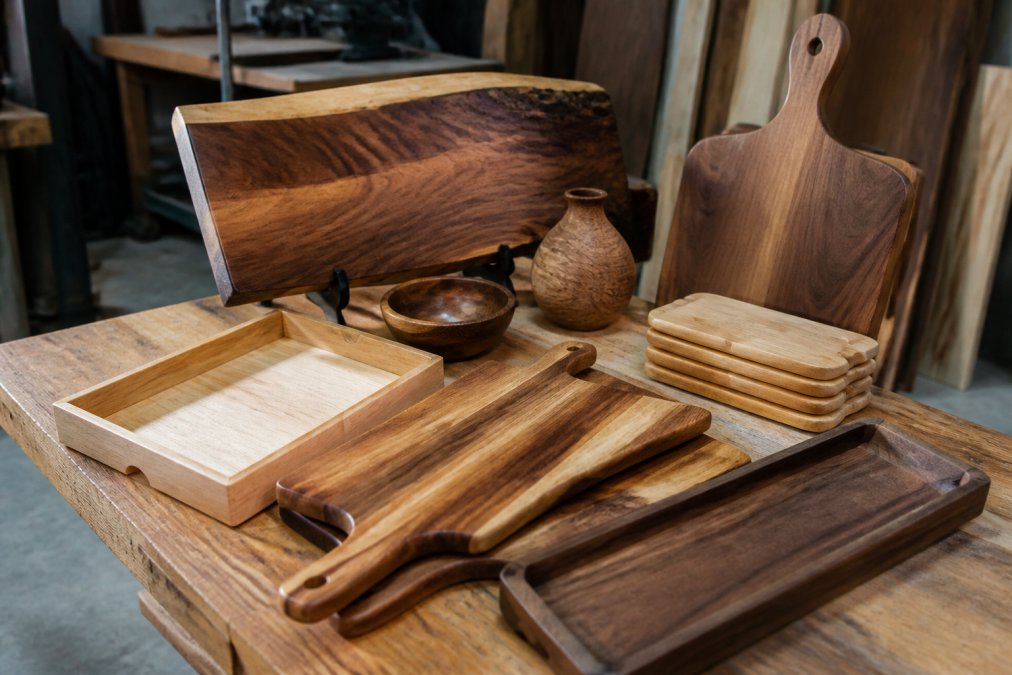
True artisan made wooden decor begins with a different philosophy entirely. Rather than designing for mass production, artisans design for durability and beauty. Every piece is approached as a unique creation, not a template to be repeated thousands of times. The craftsperson selects specific wood, considers how grain patterns will look in the finished piece, and chooses joinery techniques that will hold for decades.
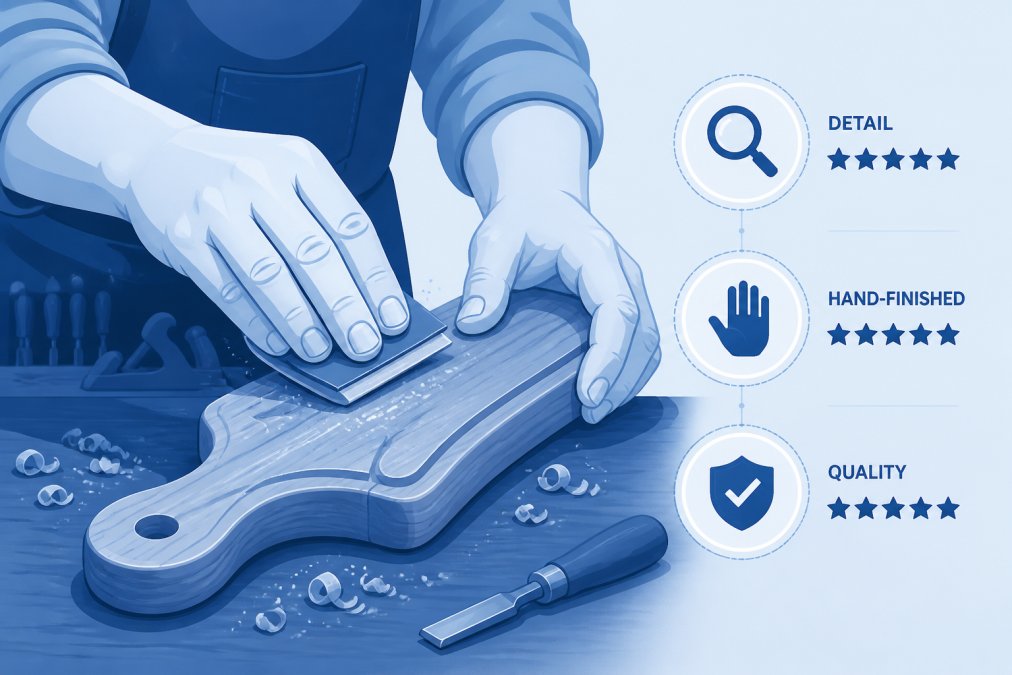
Hand-sanding is one of those details that separates artisan work from industrial production. A machine can sand quickly, but it can't feel the wood or adjust for grain direction. A skilled woodworker sands progressively through finer grits, feeling how the surface develops. This process reveals the wood's true character, the subtle color variations, the grain patterns that machine sanding would flatten out. The result is a finish that invites touch, that feels alive under your hand.
Solid joinery is another marker of authentic craftsmanship. Artisans use techniques like mortise-and-tenon joints, dovetails, or hand-cut box joints that lock pieces together through geometry and friction, not glue and fasteners alone. These joints actually get stronger over time as the wood seasons. A mass-produced piece held together with dowels and staples will loosen and rattle. A hand-jointed piece becomes more solid.
What most people miss about artisan-made wooden decor is the intentionality behind material selection. A craftsperson doesn't just grab whatever wood is cheapest. They consider how different species age, how they respond to humidity changes, which woods are appropriate for specific pieces. This knowledge comes from experience, from making mistakes, learning from them, and refining the process over years.
Benefits of Handmade Home Decor
The benefits of handmade home decor extend far beyond aesthetics, though the visual impact is undeniable. Handcrafted pieces bring texture, warmth, and organic beauty that manufactured alternatives cannot match. A wooden serving board with live edges, hand-sealed to protect the grain, becomes a functional art piece. A custom-carved wooden sign tells your story in a way a printed one never could.
Emotional connection is real. When you know someone spent hours creating something specifically for you, or when you're creating it yourself, that piece carries meaning. It's not just decor; it's a tangible expression of care. This is why handmade items make exceptional gifts. A personalized wooden valet tray or charcuterie board becomes a keepsake, something people keep for years because of who made it and why.
The aesthetic of handmade home decor is distinctive without being loud. There's a quiet confidence in a well-made wooden piece. It doesn't need to shout for attention. It sits in your space, and over time, you notice how it anchors the room. The natural wood grain creates visual interest that never gets boring. Every time you look at it, you see something slightly different in the pattern.
Sustainability is another genuine benefit often overlooked. Handcrafted pieces are built to last, which means they don't end up in landfills in five years. A charcuterie board that survives twenty years of use eliminates the need to replace it repeatedly. When you calculate the environmental cost of manufacturing and shipping five cheap alternatives versus one quality piece, the math becomes clear. Choosing artisan-made wooden decor is a form of environmental responsibility through longevity.
Durability, Longevity, and Investment Value
Here's what separates artisan made wooden decor from disposable alternatives: it actually improves with age. Solid wood develops character over time. The finish may develop a patina. The wood may shift subtly with humidity changes. These aren't flaws, they're proof the piece is real, that it's responding to its environment the way natural material should.
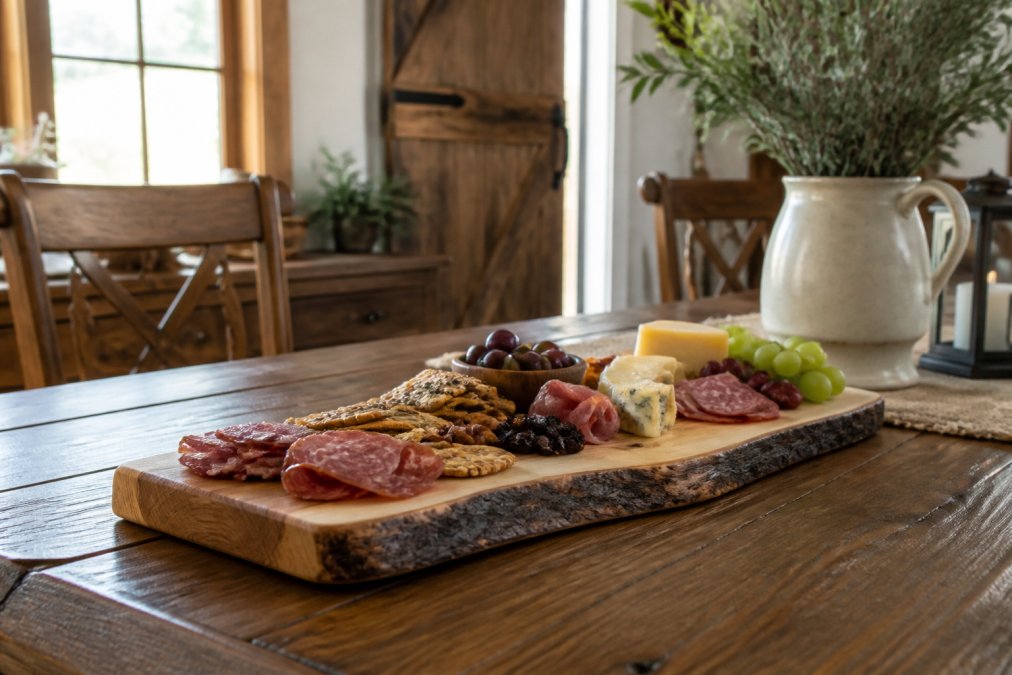
A well-made wooden piece can outlast the person who made it. We've all seen antique furniture in family homes, pieces passed down through generations because they were built properly. That potential exists in contemporary artisan work too. When you commission a custom wooden piece from a skilled craftsperson, you're creating something with potential heirloom value.
Investment value is worth considering. While handcrafted pieces cost more upfront, the cost-per-year of ownership becomes favorable over time. A wooden serving board used regularly for twenty years costs less per use than a cheap plastic alternative replaced every few years. Some artisan pieces actually appreciate in value, particularly if the maker becomes well-known or if the piece is documented as part of their early work.
The durability of artisan work comes down to materials and technique. Solid wood selected for stability, joinery that distributes stress intelligently, finishes applied to protect without obscuring, these choices compound over time. A piece built this way doesn't need replacing. It might need refinishing eventually, but that's maintenance, not replacement.
Best Wood Types for Home Decor
Different wood species bring different qualities to artisan-made wooden decor. Understanding these differences helps explain why craftspeople make specific material choices.
Walnut offers rich, dark tones and fine grain. It's stable, machines beautifully, and develops a gorgeous patina over time. Walnut is excellent for pieces meant to be heirloom quality because it ages gracefully.
Oak provides bold grain patterns and strength. Red oak has warm tones; white oak has cooler, more subtle coloring. Oak is durable and takes stain well, making it versatile for different interior styles.
Maple is dense and fine-grained, offering subtle beauty. It's excellent for pieces where you want the craftsmanship to shine rather than dramatic grain patterns. Maple also resists wear exceptionally well.
Cherry brings warm reddish tones that deepen beautifully with exposure to light. It's a favorite for fine furniture because it combines beauty with stability and workability.
Reclaimed wood carries history. Using lumber salvaged from old buildings or fallen trees creates pieces with genuine character. Each board tells a story through its grain, knots, and color variations.
The choice of wood affects both aesthetics and performance. A craftsperson considers how the piece will be used, what environment it will live in, and how the wood will respond. This is knowledge that comes from experience, from understanding wood as a living material, not just a raw material.
Email your idea and a few details to MichaelH@pinnaclewoodcraft.net →
Caring for Handcrafted Wooden Items
Caring for handcrafted wooden items properly ensures they maintain their beauty and function for decades. The good news is that proper care isn't complicated, it's mostly about consistency and avoiding extremes.
Dust regularly with a soft, dry cloth. This prevents dust from accumulating and scratching the finish. A microfiber cloth works well because it captures dust rather than just moving it around.
Avoid direct sunlight for extended periods. While some color shift in wood is natural and desirable, excessive UV exposure can fade finishes and cause uneven color change. Position pieces away from south-facing windows or use curtains to filter intense afternoon light.
Manage humidity carefully. Wood responds to moisture in the air. Extremely dry environments (below 30% humidity) can cause wood to crack. Overly humid spaces (above 50%) can cause swelling and warping. Maintain humidity between 35-45% when possible. In winter, when indoor air gets dry, a humidifier helps. In summer, air conditioning helps manage excess moisture.
Clean spills immediately. Water left on wood can stain or cause swelling. Wipe up spills with a dry cloth right away. For sticky residues, use a slightly damp cloth, then dry immediately.
Use coasters and trivets. Protect surfaces from water rings and heat marks. This is especially important for serving boards, side tables, and other pieces that contact glasses or dishes.
Refinish when needed. A quality finish protects wood, but finishes wear over time. When you notice areas becoming dull or the wood looking dry, it's time to refinish. This isn't a sign of poor craftsmanship, it's part of wood's lifecycle. A skilled craftsperson can refinish a piece to restore it to original condition.
Avoid harsh chemicals. Commercial wood cleaners often contain silicone or other substances that can build up and create a cloudy appearance. Simple soap and water work fine for cleaning. For conditioning, use oil finishes appropriate to the original finish type.
The beauty of caring for artisan-made wooden decor is that maintenance becomes part of enjoying the piece. You're not just maintaining an object; you're participating in its aging and development.
Sustainability and Supporting Artisan Livelihoods
Choosing artisan-made wooden decor connects you to something larger than personal aesthetics. It's a choice to support sustainable practices and artisan livelihoods. Many independent woodworkers source materials responsibly, selecting from sustainably managed forests or reclaimed sources. This stands in stark contrast to industrial furniture production, which often prioritizes cost over environmental responsibility.
When you purchase from a small woodworking shop like Pinnacle Woodcraft, LLC, you're supporting a real person, a craftsperson who depends on their skill and reputation. Every custom order means hours of focused work, material investment, and the application of hard-won knowledge. That money goes directly to someone who chose to build things well rather than chase profit margins through mass production.
The environmental impact of choosing handcrafted pieces over disposable alternatives is significant. A piece built to last fifty years, used regularly, has a dramatically lower environmental footprint than five cheap replacements. You're not just buying a product; you're reducing waste and supporting a more sustainable approach to consumption.
Artisan communities also preserve traditional skills. When young people see that skilled woodworking can support a living, some choose to learn the craft. They apprentice, practice, and eventually become the next generation of makers. Supporting artisans helps keep these skills alive in an era when they're increasingly rare.
The ethical dimension matters too. Artisan-made wooden decor typically involves fair labor practices because the maker is the laborer. There's no exploitation in the supply chain, no factory workers laboring under poor conditions. You know exactly where your piece came from and who made it.
Choosing artisan-made wooden decor means prioritizing quality, authenticity, and longevity over convenience and cost. It means surrounding yourself with pieces that carry genuine craftsmanship, items built to be used and enjoyed for years. If you're ready to invest in handcrafted wooden pieces that bring warmth and character to your home, Pinnacle Woodcraft, LLC specializes in custom creations built from carefully selected lumber with solid joinery and hand-sanded finishes. Email your idea to MichaelH@pinnaclewoodcraft.net and describe what you're envisioning. The team will work with you to turn your vision into a one-of-a-kind piece that becomes part of your home's story.
| Aspect | Artisan-Made Wooden Decor | Mass-Produced Alternatives |
|---|---|---|
| Material Selection | Carefully chosen for stability and beauty | Selected for cost efficiency |
| Construction | Solid joinery, hand-finished | Glued, fastened, machine-finished |
| Longevity | 20-50+ years with proper care | 3-7 years typical lifespan |
| Uniqueness | One-of-a-kind character | Identical to thousands of others |
| Environmental Impact | Minimal (long lifespan reduces waste) | High (frequent replacement) |
| Emotional Value | Personal connection to maker | Generic, transactional |
| Maintenance | Refinishing extends life | Replacement required |
| Aesthetic Quality | Improves with age | Degrades over time |
According to the American Hardwood Export Council's sustainability report, sustainably managed forests are certified to ensure responsible harvesting practices. Many artisan woodworkers source from these certified suppliers, ensuring their materials come from responsibly managed sources.
The shift toward artisan-made wooden decor reflects a broader recognition that we have a choice in how we consume. We can buy convenience, or we can buy quality. We can support mass production, or we can support skilled individuals building things well. Research from the Craft and Hobby Association shows that consumers increasingly value handmade goods for their authenticity and sustainability. When you choose artisan-made wooden decor, you're choosing to be part of that movement.
Frequently Asked Questions
What does artisan-made wooden decor actually mean?
Artisan-made wooden decor refers to handcrafted pieces created by skilled woodworkers using traditional techniques and carefully selected materials. Unlike mass-produced items made in factories with particleboard or shortcuts, artisan pieces feature solid joinery, hand-sanded finishes, and attention to the wood's natural grain and character. Each piece is individually made, often customized to the buyer's specific vision, ensuring no two items are identical.
Is artisan-made decor more durable than mass-produced items?
Yes. Handcrafted wooden pieces typically outlast mass-produced alternatives significantly. Artisan makers use solid wood and proper joinery techniques that create structural integrity, while factory-made decor often relies on veneers, particleboard, and weak fasteners that fail over time. With proper care, heirloom-quality wooden decor can last generations, making it a genuine long-term investment rather than a disposable purchase.
How do I care for handcrafted wooden items to keep them looking beautiful?
Caring for handcrafted wooden items involves regular but simple maintenance. Dust with a soft, dry cloth regularly. Avoid prolonged exposure to direct sunlight, which can fade the wood's natural color. Keep pieces away from extreme temperature swings and excess humidity. Use wood conditioner or food-safe mineral oil on cutting boards and serving pieces every few months. For functional items, wipe spills promptly and avoid soaking in water. These steps protect the finish and preserve the wood's character for years to come.
What makes artisan wooden decor a better gift than store-bought alternatives?
Handcrafted wooden decor carries emotional weight that mass-produced items cannot match. A custom piece created specifically for someone demonstrates thought, care, and personal investment. Artisan decor often becomes a cherished heirloom, telling a story through its natural grain, unique finish, and the maker's craftsmanship. Whether for weddings, anniversaries, or housewarmings, these pieces soften a space and carry personality that factory-made decor simply lacks.
This article was written using GrandRanker