 how-to guide
How to Care for Walnut Wood Furniture: A Complete Guide
Table of Contents
- What You'll Need Before You Start Caring for Walnut Wood Furniture
- Step 1: Daily Dusting and Routine Maintenance
- Step 2: Identifying Your Finish, Oil, Lacquer, or Polyurethane
- Step 3: Using Walnut Oil for Furniture, When and How to Re-Oil
- Step 4: How to Repair Scratches on Walnut Furniture
- Step 5: Protecting Wood Furniture from Sun Damage and Fading
- Step 6: Humidity Control, Climate-Specific Care, and Preventing Wood Movement
- Common Mistakes to Avoid When Caring for Walnut Wood Furniture
Last Updated: July 31, 2026
Knowing how to care for walnut wood furniture is the difference between a piece that darkens beautifully over decades and one that dries, cracks, and loses its luster within a few years. Most guides treat all walnut furniture the same, but a piece finished with penetrating natural oil behaves completely differently from one sealed under lacquer or polyurethane. Apply the wrong product to the wrong finish and you create residue buildup, cloudiness, or chemical damage to the wood surface. The finish type is the first thing you need to identify.
What You'll Need Before You Start Caring for Walnut Wood Furniture
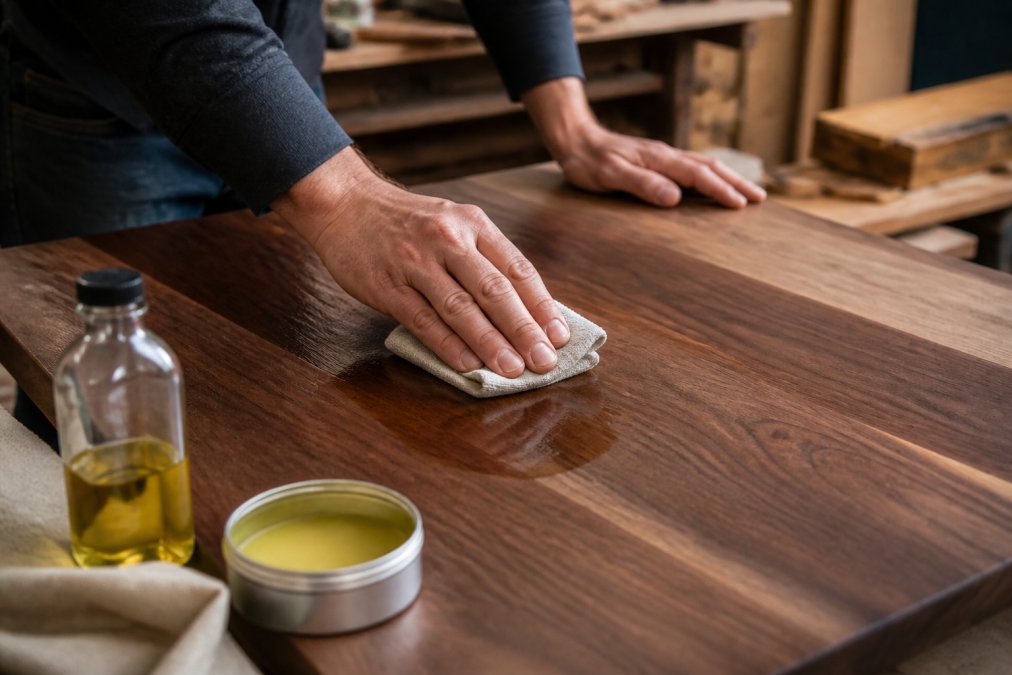
Gathering supplies before you start prevents the common mistake of grabbing the nearest spray cleaner and causing harm. For routine walnut wood furniture care, stock these items:
- Microfiber cloths (at least two: one dry, one slightly damp)
- Mild dish soap diluted in water
- Food-grade walnut oil or a quality wood conditioner
- Beeswax paste or carnauba wax
- Fine steel wool (0000 grade) or 400-grit sandpaper
- A soft-bristle brush for carved details
- A hygrometer to monitor indoor humidity levels
Wood is hygroscopic, meaning it constantly exchanges moisture with surrounding air. Walnut is particularly sensitive to swings in moisture content, so monitoring humidity is foundational to furniture longevity.
Avoid silicone-based sprays, ammonia-based cleaners, and "all-surface" polishes. These products clog wood pores, strip protective finish, and leave residue that builds up over time.
| Supply | Purpose | Frequency of Use |
|---|---|---|
| Microfiber cloth (dry) | Daily dusting, buffing | Daily |
| Mild soap + water | Cleaning spills and grime | As needed |
| Walnut oil or wood conditioner | Nourishing the wood surface | Every 3-6 months |
| Beeswax paste | Sealing and surface protection | Every 6-12 months |
| 0000 steel wool | Buffing out surface scratches | As needed |
| 400-grit sandpaper | Smoothing deep scratches before re-oiling | As needed |
| Hygrometer | Monitoring indoor humidity | Ongoing |
Step 1: Daily Dusting and Routine Maintenance
Routine maintenance is the most impactful part of walnut care. Dust particles are abrasive and create micro-scratches that dull the wood grain over time.
Choosing the Right Microfiber Cloth
Use a microfiber cloth for daily dusting on walnut wood furniture. Avoid feather dusters, paper towels, and rough cotton rags. Feather dusters redistribute particles rather than capturing them. Paper towels are abrasive enough to scratch a hand-rubbed oil finish. Microfiber cloths trap dust electrostatically.
Dust with the grain, not against it. For carved or detailed surfaces, a soft-bristle brush moves dust out of crevices without scratching.
Cleaning Spills and Grime Without Causing Chemical Damage
Spills on walnut furniture need immediate attention. For fresh spills, blot immediately with a dry microfiber cloth rather than wiping. For dried grime, dampen a cloth with a solution of a few drops of mild soap in warm water. Wring it nearly dry before it touches the wood. Wipe with the grain, then follow immediately with a dry cloth.
Never let standing water sit on walnut. Water causes expansion and contraction cycles that stress the finish and can raise the grain. According to USDA Forest Products Laboratory wood care guidance, repeated moisture exposure is one of the primary causes of surface finish failure in hardwood furniture.
Step 2: Identifying Your Finish, Oil, Lacquer, or Polyurethane
Identifying what finish is already on your piece is essential before applying any care product. A simple water-drop test tells you most of what you need to know. Place a small drop of water on an inconspicuous area. If it beads up, the surface has a film finish (lacquer, polyurethane, or water-based). If it soaks in within 30 seconds, the piece has an oil-based finish or a very worn film finish.
Oil-based finish: The wood has a matte, natural appearance with tactile grain. These pieces need periodic re-oiling to maintain wood nourishment and prevent drying.
Lacquer: A harder, thinner film finish with slight sheen that produces a crisp, snapping sound when tapped with a fingernail. More brittle than polyurethane and more susceptible to moisture hazing.
Polyurethane: A thick, plastic-like film. High-gloss polyurethane looks almost glass-like. This finish is the most durable for daily use but cannot be spot-repaired easily.
Water-based finish: Clearer than oil-based polyurethane, dries faster, and has a slightly cooler tone over dark walnut.
Finish-Specific Troubleshooting: What to Do When Things Go Wrong
Most finish problems on walnut furniture fall into one of four categories:
- Haze or cloudiness on lacquer: Usually caused by moisture trapped under the finish. Light buffing with 0000 steel wool and a paste wax can restore clarity on minor cases.
- Peeling or bubbling polyurethane: Film has delaminated. Sanding back to bare wood and reapplying is the correct fix.
- Dark water rings on oil finish: Rub with 0000 steel wool in the direction of the grain, then re-oil. Rings on oil finishes usually respond well to this approach.
- White rings on lacquer or polyurethane: These are moisture rings in the film. A furniture-grade paste wax buffed in gently resolves many of them.
Step 3: Using Walnut Oil for Furniture, When and How to Re-Oil
Walnut oil for furniture is best applied to pieces with an oil-based or penetrating finish, not to film-finished surfaces like polyurethane or lacquer. Applying oil over a sealed film finish accomplishes nothing.
Apply a fresh coat of oil when the wood begins to look dry, dull, or when water no longer beads on the surface. For most homes, this is every three to six months.
The application process:
- Clean the surface thoroughly and allow it to dry completely, at least two hours.
- Apply a thin, even coat of food-grade walnut oil or wood conditioner using a clean cloth, working with the grain.
- Allow the oil to penetrate for 15 to 20 minutes.
- Wipe away all excess oil with a clean, dry cloth. Excess oil left on the surface will become tacky and attract dust.
- Allow the piece to cure for 24 hours before placing objects on it.
Always dispose of oil-soaked rags carefully. Walnut oil and linseed-based products can self-ignite through spontaneous combustion as they cure. Spread used rags flat outdoors to dry, or submerge them in water in a metal container before disposal.
Step 4: How to Repair Scratches on Walnut Furniture
Surface scratches on walnut are common and, in most cases, fixable without professional help. The key is correctly reading the depth of the damage.
Surface Scratches vs. Deep Gouges: Different Fixes for Different Damage
Surface scratches affect only the finish, not the wood itself. On an oil finish, rub a small amount of walnut oil into the scratch with your fingertip. The oil fills the micro-abrasion and the scratch often disappears. On lacquer or polyurethane, 0000 steel wool buffed very lightly in the direction of the grain, followed by a paste wax, reduces visibility significantly.
Deep scratches that cut into the wood fiber require a different approach. A walnut meat, the actual nut, rubbed along the scratch deposits natural oils and tannins that visually blend the damage. For more significant cuts, a walnut-toned wood filler applied with a putty knife, sanded flush when dry, and then re-oiled or refinished produces a clean result.
Deep gouges that remove material should be filled with a color-matched wood filler or epoxy-based wood repair compound. Sand the repair flush with 150-grit, then 220-grit, then 400-grit sandpaper. Feather the edges into the surrounding surface. Re-apply the appropriate finish to match the existing sheen. According to Woodworking Network's finishing and restoration resources, color-matched filler selection is the most common point of failure in DIY scratch repair, so test the filler color on scrap wood before committing to a visible area.
Step 5: Protecting Wood Furniture from Sun Damage and Fading
Walnut is photosensitive. Fresh walnut starts as rich chocolate brown, and UV exposure causes it to lighten and shift toward golden-tan over time. This wood oxidation is largely irreversible without sanding back to fresh wood.
Direct sunlight is the primary threat, but UV rays pass through standard window glass as well. A piece placed three feet from a south-facing window will still experience gradual fading. Practical protective measures include:
- UV-filtering window film applied to glass near furniture
- Curtains or blinds during peak sunlight hours
- Rotating or repositioning furniture periodically to ensure even exposure
- A UV-inhibiting topcoat when refinishing
Partial sun exposure is worse than full exposure. A piece where half the surface sits in direct sunlight and half sits in shadow will develop a visible color differential over months. Consistent, diffused light is far less damaging than intermittent direct exposure.
Step 6: Humidity Control, Climate-Specific Care, and Preventing Wood Movement
Wood movement in walnut furniture is driven by moisture content changes in surrounding air. The goal is to minimize humidity swings.
The EPA's indoor air quality guidelines for humidity recommend maintaining indoor relative humidity between 30% and 50%. For walnut furniture, this range is ideal. Below 30%, the wood dries and contracts, which can cause surface checking and joint loosening. Above 60%, the wood swells, which stresses finish and can cause drawers to stick or tabletops to cup.
Climate-specific considerations:
- Arid climates (desert Southwest, high-altitude regions): Humidity often drops below 20% in winter. A room humidifier near furniture is preventative maintenance.
- Humid coastal climates (Gulf Coast, Southeast): Summer humidity regularly exceeds 70%. Air conditioning helps, but consider a dehumidifier in rooms where furniture is stored. Corpus Christi, Texas, where Pinnacle Woodcraft, LLC is based, sits in exactly this climate zone, and we see the effects of humidity swings on wood firsthand.
- Cold-weather climates: Forced-air heating in winter drops indoor humidity sharply. A whole-house humidifier is the most effective solution.
Never place walnut furniture directly over floor heating vents, next to radiators, or in front of air conditioning units. Localized temperature and humidity extremes cause accelerated, uneven wood movement.
Common Mistakes to Avoid When Caring for Walnut Wood Furniture
The most damaging mistakes in walnut care are small habits repeated over years.
Over-oiling. Applying oil too frequently or in too-heavy coats creates a tacky, gummy surface layer. The wood can only absorb so much. More oil means residue buildup, not better protection.
Using the wrong cleaner. All-purpose sprays, vinegar, and citrus solvents are the most common sources of chemical damage to walnut finishes.
Ignoring the finish type. Applying beeswax or paste wax to a freshly lacquered surface is fine. Applying it to a piece that needs refinishing seals in the problem and makes the refinisher's job significantly harder.
Placing objects without protection. Rubber feet on electronics, plant pots, and decorative objects can trap moisture and react with wood finishes. Use felt pads, cork, or coasters consistently.
Skipping the humidity check. Most people think about cleaning and oiling but never address the environment. A perfectly oiled piece in a 15% humidity room will still crack.
Pet-Safe Cleaning Solutions for Homes with Animals
Pet owners need to think carefully about what goes on walnut wood furniture. The safest cleaners for pets are also the safest for walnut.
A diluted solution of mild, fragrance-free dish soap in warm water is pet-safe and effective for cleaning grime and pet saliva from walnut surfaces. Rinse with a barely damp cloth and dry immediately. Avoid essential oil-based wood cleaners; many essential oils are toxic to cats and dogs.
For odor control, a light wipe with a cloth dampened with plain water handles most pet-related issues. Beeswax paste is a pet-safe option for protecting walnut surfaces after cleaning. Always allow any applied product to cure and off-gas fully before allowing pets back onto the furniture.
Walnut wood furniture rewards consistent, informed care. The biggest challenge most owners face is not knowing which approach fits their specific finish, and that gap leads to years of well-intentioned but counterproductive maintenance. Pinnacle Woodcraft, LLC builds each walnut piece with carefully selected lumber and hand-sanded finishes precisely because we know these pieces will be used and lived with for decades. If you have a custom walnut project in mind, email your idea and a few details to [email protected] and we will help you get it right from the first coat of finish forward.
Frequently Asked Questions
How do you clean walnut wood furniture naturally?
To clean walnut wood furniture naturally, dampen a microfiber cloth with warm water and a few drops of mild soap, then wipe with the wood grain. Wring the cloth well so it is barely damp, excess moisture can raise wood pores and cause warping. Follow immediately with a dry cloth to remove any residue. Avoid vinegar, ammonia-based sprays, or all-purpose household cleaners, as these can strip a protective finish and cause long-term chemical damage to the wood surface.
What is the best oil to use on walnut wood furniture?
For an oil-based finish, pure walnut oil, tung oil, or a dedicated wood conditioner are among the most recommended options for walnut wood furniture. These penetrate the wood pores, restore moisture content, and enhance the natural patina without leaving a heavy film. Avoid cooking oils like olive or vegetable oil, they can go rancid inside the wood over time. If your piece has a lacquer or polyurethane finish, oil-based treatments are not appropriate; use a finish-compatible polish instead.
How often should you oil walnut furniture?
The frequency depends on your home's humidity levels and how heavily the piece is used. As a general rule, oiling walnut wood furniture two to four times per year is a reasonable starting point for most U.S. climates. Pieces in dry climates, like the Southwest, or homes with forced-air heating may need oiling more frequently. A simple test: if the wood looks dull or feels dry to the touch, it is time to re-oil. Always clean the surface thoroughly before applying any oil or wood conditioner.
Does walnut wood fade in the sun, and how do you prevent it?
Yes, direct sunlight causes walnut wood to fade and can accelerate wood oxidation, stripping the rich, dark luster the species is prized for. To prevent sun damage, position walnut furniture away from windows with direct southern or western exposure, use UV-filtering window film or curtains, and rotate decorative items periodically to avoid uneven fading. Applying a protective finish with UV inhibitors adds another layer of defense. Consistent preventative maintenance is far easier than attempting full wood restoration after significant fading has occurred.
What should you never use on walnut wood furniture?
Avoid harsh commercial cleaners, silicone-based furniture sprays, bleach, and abrasive scrubbing pads on walnut wood furniture. Silicone products can create residue buildup that interferes with future refinishing. Ammonia-based cleaners strip protective finishes and dry out the wood. Steam cleaners introduce excessive moisture that causes wood expansion and contraction, leading to cracks over time. Even excessive water from a damp cloth can cause damage if not dried immediately. When in doubt, test any new product on an inconspicuous area first.
How do you restore shine to walnut furniture that looks dull?
First, determine your finish type, an oil-based finish responds well to a fresh coat of walnut oil or beeswax, buffed in with a clean microfiber cloth using circular motions. A lacquer or polyurethane finish may simply need a thorough cleaning to remove residue buildup, followed by a finish-compatible furniture polish. For deeper dullness caused by surface scratches or wood drying, light sanding with fine-grit paper followed by re-oiling or a fresh topcoat can restore luster. Always work with the wood grain during buffing.
This article was written using GrandRanker