how-to
How to Commission Custom Wooden Furniture: A Complete Guide
Table of Contents
- Define Your Vision and Needs Before Reaching Out
- Finding the Right Custom Furniture Builder for Your Project
- The Initial Consultation and Design Development Process
- Understanding Custom Furniture Commission Contract Templates and Terms
- Material Selection, Wood Species, and Finish Options
- Timeline Expectations, Lead Times, and Deposit Structure
- Average Cost of Custom Wooden Furniture and Budget Planning
- Communication, Installation, and Long-Term Care
Last Updated: August 26, 2026
Define Your Vision and Needs Before Reaching Out
Commissioning custom wooden furniture starts with clarity. Before you contact a craftsperson, you need to know what you actually want, or at minimum, what problem you're trying to solve. This foundational step separates rushed projects from ones that deliver exactly what you imagined.
Start by identifying the functional requirements. What will this piece do? Is it a dining table that seats six, a bedside stand for a specific wall width, a storage bench for an entryway? Measure your space carefully. Note ceiling heights, doorway widths, and how the piece will interact with existing furniture. A custom build that doesn't fit through your front door or sits too high under a window is a costly mistake.
Next, define your aesthetic preferences. Gather inspiration from multiple sources, design magazines, social media, showrooms, even pieces you already own that you love. Look for patterns in what appeals to you. Are you drawn to clean lines or organic curves? Light woods or dark finishes? Ornate details or minimal hardware? This visual research becomes invaluable during design conversations with your maker.
Consider the wood species that resonates with your vision. Different woods carry different characters. Oak has prominent grain patterns and a traditional feel. Walnut offers richness and sophistication. Maple provides subtle grain and versatility. Cherry develops warmth over time. Your preferences here aren't just aesthetic, they affect cost, durability, and how the piece will age in your home.
Think about scale and proportion relative to your room. A massive statement piece can anchor a space or overwhelm it, depending on context. A smaller accent table might disappear in a large room. Understanding how size affects visual weight helps you communicate more effectively with your builder.
Finally, establish a realistic budget range. Custom work involves variables, wood selection, complexity of joinery, finish options, delivery logistics. You don't need an exact figure yet, but having a general sense of what you're willing to invest helps your maker understand your priorities and offer appropriate options.
Finding the Right Custom Furniture Builder for Your Project
Not all woodworkers are equal, and not every artisan suits every project. Finding the right match requires looking beyond portfolio aesthetics to understand process, reliability, and how they handle communication.
Start by identifying makers who specialize in your type of piece. A builder known for sculptural art installations may not be the best fit for functional furniture that needs to withstand daily use. Look for portfolios showing work similar in scale and complexity to what you want. This isn't about copying their style, it's about confirming they have relevant experience.
Evaluate their craftsmanship signals. Quality indicators include visible joinery (solid wood joints, not just glue and nails), hand-finished surfaces, and attention to grain matching and wood movement. Ask about their construction methods. Do they use traditional joinery techniques? How do they account for wood's natural expansion and contraction across seasons? These details matter for longevity.
Check their communication style and responsiveness. Send an initial inquiry and see how quickly and thoroughly they respond. A builder who takes time to understand your vision before quoting is more likely to deliver what you want. Conversely, someone who rushes to price without questions may not have captured your actual needs.
Ask for references from past clients, particularly those who commissioned pieces similar to yours. Contact them directly. Ask about the timeline accuracy, whether the final piece matched expectations, and how the maker handled revisions or unexpected issues. Real client feedback reveals how a builder performs under pressure.
Verify their transparency about the process. A reputable maker should be willing to explain their workflow, show you their workshop or at minimum document it, and discuss timelines and costs openly. Vagueness about any part of the process is a red flag. At Pinnacle Woodcraft, LLC, we believe clients deserve to understand exactly how their piece comes together, from material selection through final finishing.
Look for makers who ask detailed questions about your space, lifestyle, and vision. The best builders treat commissions as collaborative projects, not just production orders. They'll push back if something doesn't make functional sense and suggest alternatives based on their experience.
The Initial Consultation and Design Development Process
The consultation phase transforms your ideas into actionable specifications. This is where the maker's expertise becomes invaluable, they catch problems before they become expensive mistakes.
During the initial conversation, expect detailed questions. A thorough builder will ask about your home's style, the room's lighting, adjacent furnishings, how you'll use the piece daily, and whether you have any aesthetic concerns. They'll want to understand your tolerance for visible wood grain variation, knots, or color shifts, natural characteristics that make each piece unique but that some people prefer to minimize.
Discuss your timeline honestly. Don't inflate urgency if you're flexible, and don't downplay tight deadlines. Lead times for custom furniture depend on complexity, current workload, and material sourcing. Your maker needs accurate information to commit to a realistic schedule.
Ask about the design development process. Will they provide sketches, digital renderings, or both? Some makers work from detailed technical drawings; others prefer hand sketches and conversation. Understand their approach so you know what to expect and can communicate your preferences.
Discuss material sourcing. Where do they source lumber? Do they have inventory, or will they source specific woods for your project? How do they select boards to minimize defects while celebrating natural character? This conversation reveals their commitment to quality and their understanding of wood as a material.
Request a quotation that itemizes costs. A clear breakdown shows material costs, labor, finishing, and delivery separately. This transparency helps you understand where money is going and what affects final pricing. Vague lump-sum quotes leave you vulnerable to surprises.
Design iteration is normal. Expect to refine concepts through multiple conversations. A maker who resists revision or charges aggressively for design changes may not be the right fit for custom work, which by nature involves refinement.
Understanding Custom Furniture Commission Contract Templates and Terms
A written agreement protects both you and your maker. It documents expectations, timelines, and financial terms so misunderstandings don't derail the project.
A solid contract should specify the piece's dimensions, materials, finish specifications, and design details. It should include sketches or renderings referenced by the contract. Vague descriptions like "natural finish" mean different things to different people, specify whether you want matte, satin, or glossy; whether you want grain enhancement or a protective clear coat; and what level of wood character (knots, grain variation) you're accepting.
The contract must clearly state the timeline. Include start date, expected completion date, and what happens if delays occur. Legitimate delays happen, wood needs to acclimate, finishes need proper cure time, but your maker should communicate proactively if the schedule shifts.
Payment terms deserve careful attention. Many custom makers require a deposit upfront, typically 25-50% of the total cost, to reserve materials and begin work. The remainder is usually due upon completion or delivery. Understand the terms clearly. Ask what happens to your deposit if you cancel the project (most makers retain it after materials are sourced, which is reasonable).
Specify what's included in the price. Does delivery fall within the quoted cost, or is it separate? Who handles installation? What about touch-ups after delivery if the finish sustains minor damage in transit? These details prevent surprises at the end.
Include a revision clause. Most custom makers include a reasonable number of design revisions in the initial phase. Specify how many rounds of revision are included before additional charges apply. This protects both parties, you get input into the design, and the maker isn't locked into unlimited revision cycles.
Address warranty and guarantees. Ask what the maker covers. Do they warranty against structural failure? What about finish durability? Most makers offer a warranty on craftsmanship, if joinery fails or finishes chip prematurely due to defective application, they'll repair it. Wood movement and minor seasonal finish checking are normal and typically not covered. Get this in writing.
Include a cancellation clause. What happens if you need to cancel mid-project? If materials are already sourced and work has begun, the maker should retain costs incurred. This is standard and reasonable.
Material Selection, Wood Species, and Finish Options
Wood species choice fundamentally affects aesthetics, durability, and cost. Each species brings distinct characteristics that influence how your finished piece looks and performs.
Hardwoods are the standard for furniture because of their durability and grain character. Oak is traditional, with prominent grain and warm tones, excellent for rustic or farmhouse aesthetics. Walnut offers sophisticated dark tones with subtle grain, ideal for contemporary or formal spaces. Maple is versatile, with fine grain and light color that works with many styles. Cherry develops deeper color over time, adding warmth and character. Ash has open grain similar to oak but lighter color. Each species has different working properties, some are easier to finish, others more forgiving of wood movement.
Email your idea and a few details to MichaelH@pinnaclewoodcraft.net →

Discuss wood sourcing with your maker. Are they using domestic hardwoods, which tend to be more sustainable and available? Or imported species for specific aesthetic needs? Responsibly sourced wood matters if sustainability is important to you. Ask about their supplier relationships and whether they can verify wood origins.
Consider grain character. Some people love prominent, visible grain patterns, they're what make wood beautiful and unique. Others prefer more uniform appearance. Discuss your preference. A skilled maker can select boards to emphasize or minimize grain character, though this affects material costs and availability.
Finish selection is equally important. A finish protects the wood and determines how the piece looks and feels. Oil finishes showcase wood grain beautifully and feel natural to the touch, but require periodic maintenance. Polyurethane provides durable protection and comes in matte, satin, or glossy options, each affects how light plays across the surface. Water-based finishes are lower-VOC and dry quickly, though they can raise wood grain slightly (the EPA). Wax finishes feel luxurious but need regular reapplication.
Discuss your lifestyle when choosing finishes. A dining table in a busy household needs more durable protection than a decorative side table. A piece in high-humidity environments like bathrooms needs finishes that resist moisture. Your maker can recommend appropriate options based on the piece's intended use.
Ask about color enhancement. Some finishes darken wood slightly; others keep it light. Some bring out grain character; others mute it. See samples if possible. Finish choice can transform how a piece reads in your space.
Timeline Expectations, Lead Times, and Deposit Structure
Custom wooden furniture doesn't happen overnight. Understanding realistic timelines prevents frustration and helps you plan accordingly.
Lead times vary significantly based on project complexity and the maker's current workload. Ask upfront about current timeline and when your project would realistically start.
The deposit structure typically works like this: you pay an initial deposit (often 25-50% of the total) to secure your spot and allow material sourcing to begin. The remaining balance is due upon completion or delivery. Some makers request payment in stages, deposit, progress payment at midpoint, balance on completion. Understand the terms before committing.
Timeline includes material acclimation time. Wood needs to adjust to your home's humidity and temperature before final finishing and delivery. This prevents warping or finish checking after the piece arrives. A reputable maker builds this into their schedule. They won't rush finishing to meet an arbitrary deadline if it compromises quality.
Ask about communication during the build phase. How often will you hear updates? Will the maker send progress photos? Can you visit the workshop to see work in progress? Transparency during production reduces anxiety and helps catch any misunderstandings early.
Clarify what happens if timelines slip. Delays happen, unexpected grain issues in wood, finish cure complications, shipping delays. Your maker should communicate proactively if the schedule changes and explain why. Understand whether delays are your responsibility or theirs, and what recourse exists if the delay is significant.
Average Cost of Custom Wooden Furniture and Budget Planning
Custom wooden furniture costs more than mass-produced alternatives because you're paying for materials, skilled labor, and the maker's expertise. Understanding what drives cost helps you make informed decisions.
Several factors influence pricing. Complexity of design is primary, a simple rectangular table costs less than one with curved legs, inlays, or intricate joinery. Wood species matters, premium woods cost more than common species. Size affects both material and labor costs. Finish complexity, multiple coats, special stains, hand-rubbed finishes, adds time and expense. Delivery logistics, especially for larger pieces or remote locations, can be significant.
Rather than guessing at price ranges, get a quotation from your maker. Provide detailed specifications, dimensions, materials, design details, finish preferences, so they can quote accurately. A vague inquiry will yield a vague estimate that may not reflect your actual project.
Budget planning should account for the full scope. Beyond the piece itself, factor in delivery costs (which can be substantial for large furniture), potential installation fees, and any touch-up work post-delivery. Don't be surprised if a beautiful custom table costs significantly more than a comparable piece from a furniture store, you're paying for quality, durability, and the maker's skill.
Consider value over time. A well-made custom piece with solid joinery and quality finishes will outlast several mass-produced alternatives. If you plan to keep the piece for decades, the per-year cost becomes reasonable. If you're likely to replace it in five years, custom may not make financial sense.
Ask about payment plans if the total cost is substantial. Some makers offer installment options that make larger projects more manageable. Discuss this possibility during your initial consultation.
Communication, Installation, and Long-Term Care
The final phase, delivery, installation, and ongoing care, determines whether your custom piece delivers lasting satisfaction.
Delivery logistics matter. For large furniture, confirm how it will be transported. Will the maker deliver personally, use a shipping service, or require you to arrange pickup? Understand insurance coverage. What happens if the piece is damaged in transit? Most makers insure their work during delivery, but confirm this explicitly.
Installation may require professional help, especially for large pieces or those with specific placement requirements. Ask whether the maker offers installation or can recommend installers in your area. Some pieces need assembly on-site; others are delivered ready to place. Understand what's involved before the piece arrives.

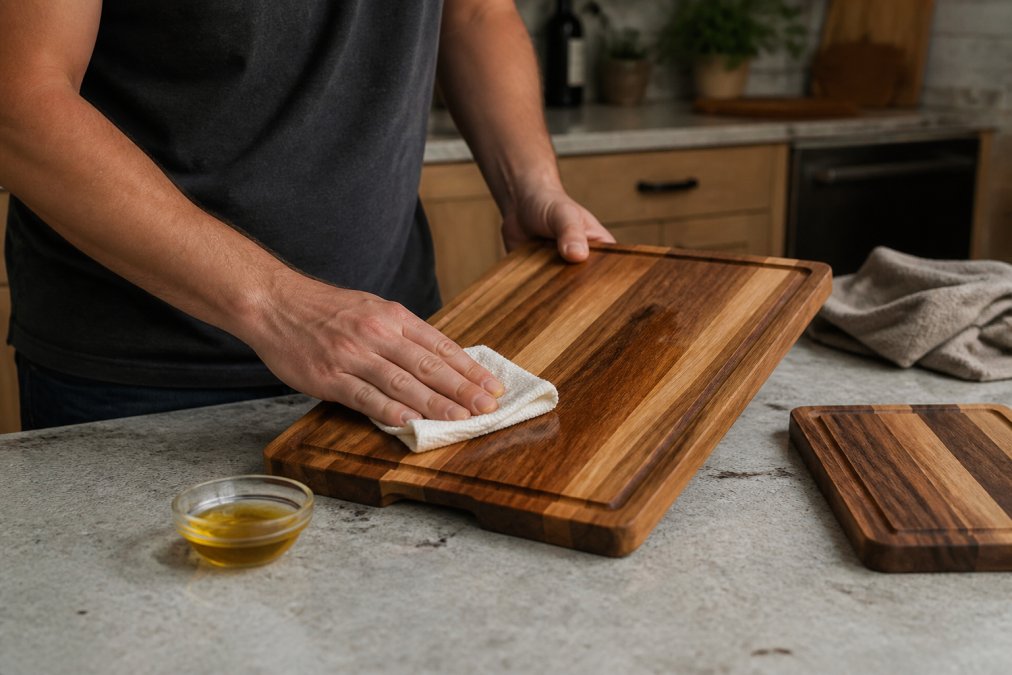
Long-term care preserves your investment. Ask your maker for care instructions specific to your piece's finish. Oil-finished pieces need periodic reapplication, typically annually or as needed. Polyurethane finishes are more maintenance-free but may need touch-up if scratched. Wax finishes require regular buffing. Understanding these requirements prevents deterioration and keeps your piece beautiful.
Protect your investment from environmental stress. Keep the piece away from direct heat sources and extreme humidity fluctuations. Use coasters and placemats to prevent water marks and heat damage. Dust regularly with a soft cloth. These simple practices extend finish life significantly.
Minor finish wear is normal and expected. Small scratches, slight color shifts, and subtle finish checking are natural aging. They add character rather than diminish value. Discuss with your maker what constitutes normal wear versus defective workmanship.
Establish a relationship with your maker for future maintenance. If your piece needs refinishing after years of use, the original maker can often restore it better than a stranger unfamiliar with the original construction. Keep contact information and any documentation about materials and finishes used.
Commissioning custom wooden furniture is an investment in something genuinely yours, a piece that reflects your vision, fits your space perfectly, and will serve you for decades. The process requires patience and clear communication, but the result is worth the effort. If you're ready to explore a custom project, Pinnacle Woodcraft, LLC specializes in turning your vision into handcrafted reality. Each piece is built with carefully selected lumber, solid joinery, and hand-sanded finishes that highlight the wood's natural character. Email your idea and a few details to MichaelH@pinnaclewoodcraft.net to begin the conversation.
Frequently Asked Questions
How long does it take to commission custom wooden furniture?
Lead times vary based on the complexity of your design, the maker's current workload, and material sourcing. Discuss timeline expectations during your initial consultation. If you have a specific deadline, communicate this upfront so the maker can confirm whether they can accommodate your schedule.
What questions should I ask a custom furniture builder before commissioning?
Ask about their experience with your specific project type, how they handle design revisions, what happens if the wood shifts or the finish wears, whether they offer a warranty, and how they handle shipping. Request references from past clients and ask to see their workshop or process. Clarify the deposit amount, payment schedule, and what's included in the final price. Understanding their approach to material sourcing and joinery will help you assess craftsmanship quality.
What should a custom furniture commission contract template include?
A solid contract should outline the project scope, detailed dimensions, materials specified, finish details, total cost and payment schedule, deposit amount, timeline with key milestones, revision policy, shipping and installation terms, and warranty coverage. It should also specify what happens if the maker cannot complete the project or if you need to cancel. Having everything in writing protects both you and the maker and prevents misunderstandings about expectations.
How much does custom wooden furniture typically cost?
The average cost of custom wooden furniture depends on size, wood species selected, design complexity, joinery quality, and finish level. Pricing also reflects the maker's experience and location. Request a detailed quotation after your consultation, reputable makers provide transparent estimates based on your specific project rather than generic price ranges.
This article was written using GrandRanker