comparison
Modern Timber Craft Alternatives: Custom Wood Options
Table of Contents
- Why Homeowners Choose Custom Wood Alternatives
- Handmade Wooden Valet Tray vs Plastic Organizers
- Top Custom Woodworking Alternatives to Modern Timber Craft
- How to Choose Custom Wood Artisans for Your Project
- Sustainable Materials in Custom Woodworking
- Cost Considerations and Value of Handcrafted Wood
- Conclusion
Last Updated: August 24, 2026
Why Homeowners Choose Custom Wood Alternatives
When you're shopping for home decor or functional pieces, you'll notice a stark divide between mass-produced items and handcrafted work. The difference isn't just aesthetic, it's about durability, personalization, and supporting artisans who care about their craft. Modern Timber Craft alternatives have become increasingly popular as homeowners reject generic options in favor of pieces built to last generations.
The real appeal of custom woodworking lies in what you get that factory production can't deliver: joinery that holds through decades, wood selected for grain and character, finishes that develop patina rather than peel. When you commission a piece from a skilled woodworker, you're not buying inventory, you're investing in something that reflects your specific vision and carries the maker's reputation in every detail.
At Pinnacle Woodcraft, LLC, we've seen this shift firsthand. Homeowners increasingly ask for handmade wooden valet trays, custom charcuterie boards, and small furniture pieces that feel intentional rather than transactional. They want items that soften a room with personality, not items that look like everyone else's. This guide explores the Modern Timber Craft alternatives available to you, what makes custom woodworking worth the investment, and how to find the right artisan for your project.
Handmade Wooden Valet Tray vs Plastic Organizers
A handmade wooden valet tray and a plastic organizer solve the same problem, corralling keys, coins, and small items, but the experience of using them couldn't be more different. The wooden piece becomes part of your home's character. The plastic one disappears into your entryway, functional but forgettable.
Durability and Longevity
Solid wood construction withstands decades of daily use. A well-made wooden valet tray with proper joinery won't warp, crack, or degrade from normal handling. The wood actually improves with age as it develops a patina and deeper color. Plastic organizers, by contrast, become brittle over time, develop stress cracks, and often fail within five to ten years (peer-reviewed research). They're designed for replacement, not heirloom status.
The durability difference comes down to materials and technique. Wooden pieces built with mortise-and-tenon joinery or dovetail joints create mechanical strength that lasts. Plastic relies on chemical bonding that degrades under UV light and temperature fluctuations. If you plan to use something for years, and actually want it to improve with age, wood is the only rational choice.

Aesthetic and Design Flexibility
A plastic organizer comes in three colors: black, white, or gray. A wooden piece can be customized to match your specific space, stain color, hardware, and design preferences. You choose the wood species, the finish, the dimensions, and the details. This flexibility is why custom woodworking commands attention, it's built for your home, not for a warehouse shelf.
The visual warmth of wood is also something plastic can't replicate. Wood grain, color variation, and the way light plays across a hand-sanded surface create depth and character. A wooden valet tray becomes a small design statement. A plastic organizer is invisible unless you're looking for it.
Top Custom Woodworking Alternatives to Modern Timber Craft
If you're exploring Modern Timber Craft alternatives, several skilled woodworking shops offer comparable custom work. Each brings different strengths, geographic focus, and specializations.
Parkman Woodworks: Sustainable Local Craftsmanship
Parkman Woodworks operates from Los Angeles, specializing in custom wood and steel furniture built from sustainably sourced local lumber. Their approach emphasizes hyperlocal materials, wood salvaged from Southern California trees and structures, paired with modern design sensibility. Every piece combines natural wood charm with expertly executed joinery for durability.
What distinguishes Parkman is their commitment to sustainable sourcing. If your priority is environmental impact and you're on the West Coast, their local-first model aligns with that value. They handle design through delivery in-house, meaning direct communication with the makers. Lead times and pricing require a custom inquiry, but the heirloom-quality construction justifies the investment for clients seeking one-of-a-kind pieces with a sustainability story.

Amish Woodworking: Generational Techniques and Heritage
Amish Woodworking represents a different tradition entirely, artisans trained in techniques passed down through generations. They specialize in custom cabinetry, fine furniture, and specialized pieces like gun cabinets and podiums, all handcrafted from hand-selected hardwoods including oak, cherry, mahogany, walnut, and maple.
The strength here is traditional technique and wood variety. Amish craftspeople work without power tools in many cases, relying on hand planes, chisels, and joinery methods that have proven themselves over centuries. If you want a piece that replicates an antique or family heirloom, they can reproduce it from drawings or photographs. The trade-off: longer lead times and custom pricing that requires direct contact.

Offerman Woodshop: Artistic Fine Furniture
Founded by Nick Offerman, this Los Angeles-based collective creates high-end custom furniture and bespoke projects, including live-edge slabs and handcrafted canoes. Their reputation rests on artistic vision combined with traditional woodworking skill. Each project is treated as a custom commission with significant creative input.
Offerman Woodshop appeals to clients seeking statement pieces, furniture that functions as art. Their work commands premium pricing and typically involves extended collaboration with the makers. Geographic proximity to Los Angeles is helpful for consultations, though they do ship nationally. This is the option for clients with ambitious design visions and budgets to match.

Pick On Us: Personalized Charcuterie Boards
Pick On Us offers a more accessible entry point to custom wood items, specializing in personalized charcuterie and cheese boards. Their pieces are crafted from eco-friendly bamboo and responsibly managed wood, available in multiple sizes with options for custom engraving. Sizes range from compact (8.25" × 9") to large (20" × 8.5"), and pricing is transparent and scaled to board size.
This is ideal if you want a functional, personalized gift without the lead time or cost of full custom furniture. The personalization options, logos, text, custom designs, make these boards work for weddings, corporate gifts, or housewarming presents. The trade-off is limited customization beyond engraving compared to fully bespoke pieces.

How to Choose Custom Wood Artisans for Your Project
Selecting the right woodworker matters as much as the design itself. A skilled maker can elevate your vision; a poor fit can result in delays, miscommunication, or work that doesn't match your expectations.
Evaluate Craftsmanship and Materials
Start by examining their portfolio closely. Look for consistent joinery, clean finishes, and attention to detail. Ask what wood species they work with and why they recommend specific woods for your project. A craftsperson who explains material choices, hardness, grain, color, movement, demonstrates knowledge. One who says "we use whatever's available" is a red flag.
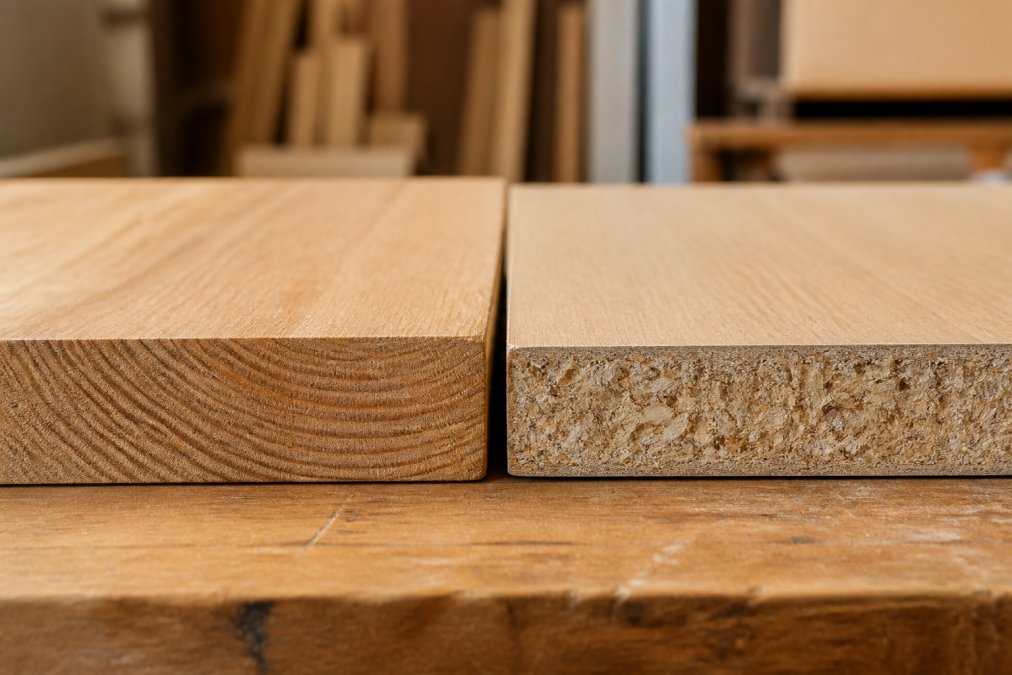
Request photos of their workshop if possible. You want to see that they work with solid wood, not particleboard or veneers. Ask about their finishing process. Hand-sanded finishes and natural oils or stains typically age better than polyurethane or spray coatings. At Pinnacle Woodcraft, LLC, we prioritize carefully selected lumber and solid joinery because those choices determine whether a piece lasts ten years or thirty.
Visit their shop in person if geography allows. Seeing the workspace, meeting the maker, and examining finished pieces in person reveals details photos can't capture. You'll sense whether they're organized, meticulous, and genuinely interested in your project.

Assess Timeline and Communication
Custom work takes time. A realistic maker will give you an honest timeline upfront and communicate proactively if something changes. Ask how long their typical projects take and whether they have current backlog. A six-month wait isn't unusual for quality work, but you need to know that before committing.
Communication style matters enormously. Do they ask clarifying questions about your vision? Do they explain their process? Do they provide progress updates? A maker who goes silent for weeks isn't someone you want handling your project. The best custom woodworkers treat clients as collaborators, not order-takers.
Email your idea and a few details to MichaelH@pinnaclewoodcraft.net →
Understand Warranty and Durability Guarantees
Ask directly: what happens if the wood cracks, the finish fails, or a joint loosens? A confident craftsperson stands behind their work. Some offer limited warranties covering defects in materials or workmanship. Others guarantee repairs if issues arise from normal use. Understand these terms before you commit.
Also ask about wood movement. Solid wood expands and contracts with humidity changes. A maker who acknowledges this and designs accordingly, using appropriate joinery and finishes, demonstrates mastery. One who dismisses it as "not a problem" doesn't understand the material.
| Evaluation Criteria | What to Look For | Red Flags |
|---|---|---|
| Portfolio Quality | Consistent joinery, clean finishes, attention to detail | Generic photos, inconsistent work, visible flaws |
| Material Selection | Specific wood species with explained reasoning | "Whatever's available" or primarily veneers |
| Workshop | Organized, equipped for solid wood work | Cluttered, primarily using power tools only |
| Communication | Responsive, asks clarifying questions, provides updates | Silent periods, dismissive of concerns |
| Timeline | Honest estimates, acknowledges backlog | Vague timelines, pressure to decide quickly |
| Warranty | Clear terms on defects and repairs | No guarantee or overly broad disclaimers |
Sustainable Materials in Custom Woodworking
Environmental impact increasingly influences purchasing decisions. Sustainable woodworking balances craftsmanship with responsible sourcing.
Reclaimed wood and salvaged timber represent the most sustainable option. These materials come from existing structures, reducing demand for newly harvested trees. The character of aged wood, color variation, patina, historical marks, adds authenticity that new lumber can't replicate. The trade-off is cost and availability; reclaimed wood commands premium pricing and limited selection.
Responsibly managed forests provide another sustainable path. Certification systems like FSC (Forest Stewardship Council) verify that wood comes from forests managed for long-term health (fsc.org). Many custom woodworkers now prioritize FSC-certified hardwoods or locally sourced lumber to reduce transportation impact.
Some makers incorporate wood alternatives like bamboo, which grows rapidly and regenerates without replanting. Cork, hemp composites, and wood-plastic composites offer durability with lower environmental impact, though they lack the aesthetic warmth and longevity of solid wood. Parkman Woodworks exemplifies the sustainable approach, sourcing locally and using salvaged materials whenever possible.
The most sustainable choice is often the longest-lasting one. A piece built to last fifty years has far lower environmental impact per year of use than a plastic organizer replaced every five years. Investing in handcrafted wood from a responsible maker is inherently more sustainable than cycling through disposable alternatives.
Cost Considerations and Value of Handcrafted Wood
Custom woodworking costs more than mass production, that's not a flaw, it's the point. You're paying for skill, materials, and time. A handmade wooden valet tray costs more than a plastic one because it's actually worth keeping.
The value equation shifts when you consider lifespan. A plastic organizer might cost thirty dollars and last five years. A wooden valet tray from a skilled maker costs more upfront but functions for decades. Amortized across years of use, the handcrafted piece becomes the economical choice.
Pricing depends on several factors: wood species, complexity of design, size, finish quality, and the maker's reputation and location. Pricing depends on quantity, dates, and delivery. A simple charcuterie board from Pick On Us runs significantly less than a bespoke furniture piece from Offerman Woodshop. Both represent fair value for what you're getting.
When evaluating cost, ask the maker to explain their pricing. Materials cost money. Skilled labor costs money. Lead time costs money. A maker who can justify their price, breaking down materials, labor, and overhead, is more trustworthy than one who simply quotes a number. At Pinnacle Woodcraft, LLC, we're transparent about what drives cost because we believe you should understand what you're investing in.
Don't shop for the lowest price on custom work. You'll get what you pay for. Instead, identify makers whose work aligns with your vision and budget, then commit to that partnership. The difference between a rushed, cheap piece and one built with care shows immediately and compounds over years.
Conclusion
Choosing between mass-produced organizers and handcrafted wooden pieces isn't really about price, it's about what you want your home to feel like. Custom woodworking brings character, durability, and personality that plastic can never match. Whether you work with Parkman Woodworks for sustainable local craftsmanship, Amish Woodworking for generational technique, Offerman Woodshop for artistic vision, or Pick On Us for accessible personalization, you're supporting makers who care about their work.
If you're ready to commission a piece that's truly yours, Pinnacle Woodcraft, LLC specializes in turning your specific vision into one-of-a-kind items. From custom charcuterie boards and valet trays to small furniture projects, we build with carefully selected lumber, solid joinery, and hand-sanded finishes that highlight the natural beauty of wood. Email your idea and a few details to MichaelH@pinnaclewoodcraft.net to start your project.
=== FAQ ANSWERS (audit these too, same rules) ===
[1] Q: What are the main benefits of choosing custom wood alternatives over mass-produced decor? A: Custom wood pieces offer durability, uniqueness, and craftsmanship that mass-produced items cannot match. Handcrafted wooden items feature solid joinery, carefully selected lumber, and hand-sanded finishes that highlight the wood's natural character. These pieces are built to be used and enjoyed for years, developing patina and personality over time. Unlike factory-made decor, custom wood alternatives reflect your personal style and vision, creating distinctive items that carry meaning and soften a room with authentic character.
[2] Q: How do handmade wooden valet trays compare to plastic organizers in terms of durability? A: Handmade wooden valet trays significantly outlast plastic organizers. Solid hardwood construction with proper joinery withstands daily use, moisture, and temperature changes without cracking or warping like plastic. Wood develops a protective patina over time, while plastic becomes brittle, fades, and breaks easily. A quality wooden valet tray can last decades or become an heirloom, whereas plastic organizers typically need replacement every few years. The structural integrity of wood joinery ensures stability that plastic's snap-together design cannot provide.
[3] Q: What should I look for when choosing a custom wood artisan? A: Evaluate the artisan's material sourcing, look for carefully selected hardwoods and sustainable practices. Review their joinery techniques and finishing methods to ensure traditional craftsmanship. Ask about timeline and communication during the design process, especially if you need the piece by a specific date. Request information about durability guarantees and how they stand behind their work if issues arise. Check their portfolio for pieces similar to your vision and ask how they approach custom requests from clients without detailed designs. Verify they work directly on projects rather than outsourcing to factories.
[4] Q: Are sustainable alternatives to reclaimed wood available for custom furniture? A: Yes, several sustainable options exist beyond reclaimed timber. Responsibly managed hardwoods from certified forests provide durability and environmental responsibility. Bamboo offers eco-friendly characteristics with strength comparable to hardwoods, though it's better suited for smaller items like charcuterie boards (peer-reviewed research). Cork and hemp-based composites are emerging alternatives, though they have different aesthetic qualities. Many custom woodworkers now source from sustainably harvested local trees or urban lumber salvage programs. When commissioning a piece, ask your artisan about their material sourcing practices and available eco-conscious options that align with your design vision.
Frequently Asked Questions
What are the main benefits of choosing custom wood alternatives over mass-produced decor?
Custom wood pieces offer durability, uniqueness, and craftsmanship that mass-produced items cannot match. Handcrafted wooden items feature solid joinery, carefully selected lumber, and hand-sanded finishes that highlight the wood's natural character. These pieces are built to be used and enjoyed for years, developing patina and personality over time. Unlike factory-made decor, custom wood alternatives reflect your personal style and vision, creating distinctive items that carry meaning and soften a room with authentic character.
How do handmade wooden valet trays compare to plastic organizers in terms of durability?
Handmade wooden valet trays significantly outlast plastic organizers. Solid hardwood construction with proper joinery withstands daily use, moisture, and temperature changes without cracking or warping like plastic. Wood develops a protective patina over time, while plastic becomes brittle, fades, and breaks easily. A quality wooden valet tray can last decades or become an heirloom, whereas plastic organizers typically need replacement every few years. The structural integrity of wood joinery ensures stability that plastic's snap-together design cannot provide.
What should I look for when choosing a custom wood artisan?
Evaluate the artisan's material sourcing, look for carefully selected hardwoods and sustainable practices. Review their joinery techniques and finishing methods to ensure traditional craftsmanship. Ask about timeline and communication during the design process, especially if you need the piece by a specific date. Request information about durability guarantees and how they stand behind their work if issues arise. Check their portfolio for pieces similar to your vision and ask how they approach custom requests from clients without detailed designs. Verify they work directly on projects rather than outsourcing to factories.
Are sustainable alternatives to reclaimed wood available for custom furniture?
Yes, several sustainable options exist beyond reclaimed timber. Responsibly managed hardwoods from certified forests provide durability and environmental responsibility. Bamboo offers eco-friendly characteristics with strength comparable to hardwoods, though it's better suited for smaller items like charcuterie boards. Cork and hemp-based composites are emerging alternatives, though they have different aesthetic qualities. Many custom woodworkers now source from sustainably harvested local trees or urban lumber salvage programs. When commissioning a piece, ask your artisan about their material sourcing practices and available eco-conscious options that align with your design vision.
This article was written using GrandRanker